"Jack was great, and the tour was really impressive. Really beautiful."
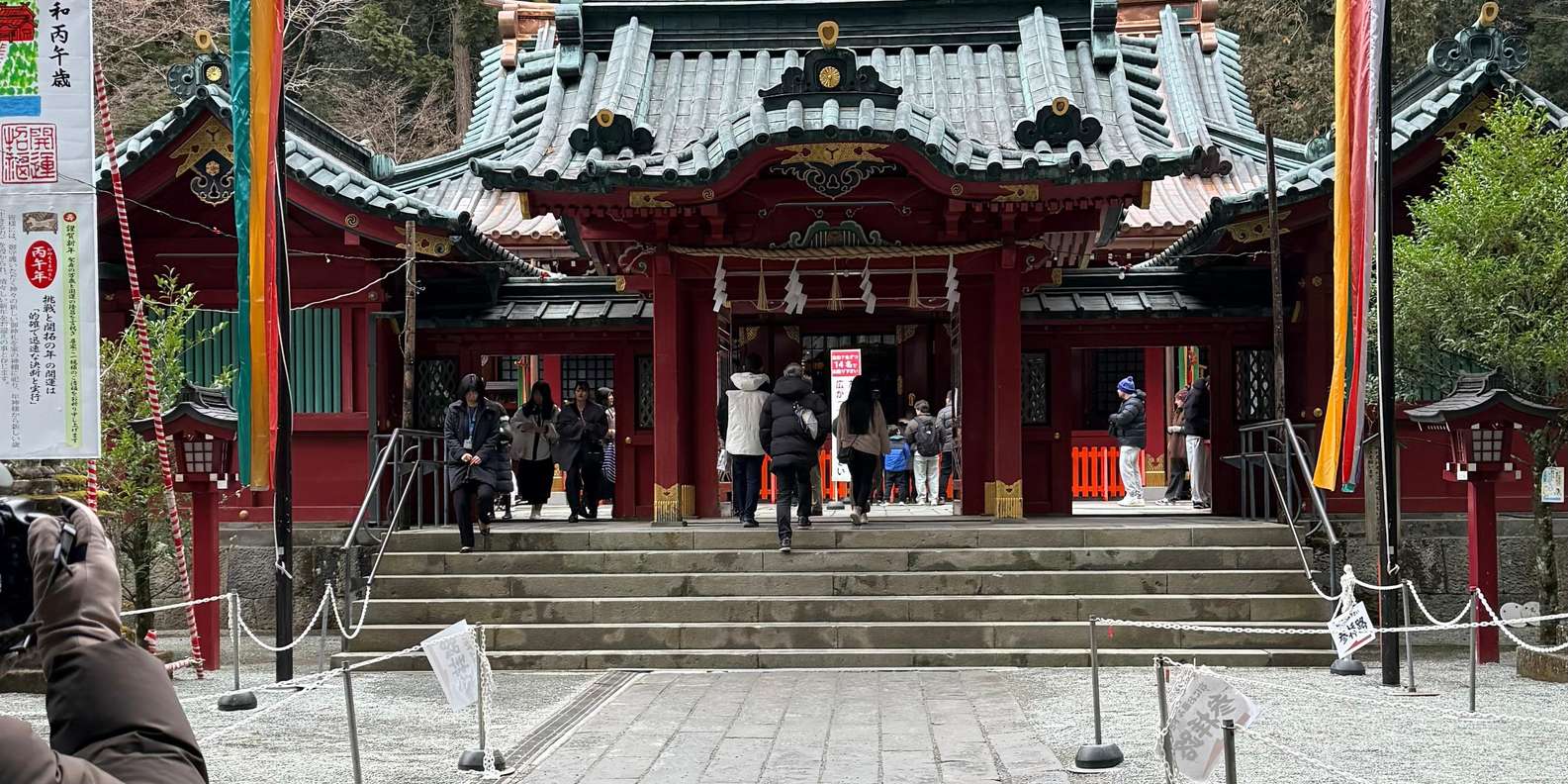
Hakone · Kanagawa · Day Trip from Tokyo
The classic Hakone day trip from Tokyo — ride the Hakone Ropeway over Owakudani's steaming hot-spring valley, cruise Lake Ashi past the floating torii, and stand beneath Mt Fuji. Your gateway to Hakone onsen country, top-rated by 6,839 travellers.
The Experience
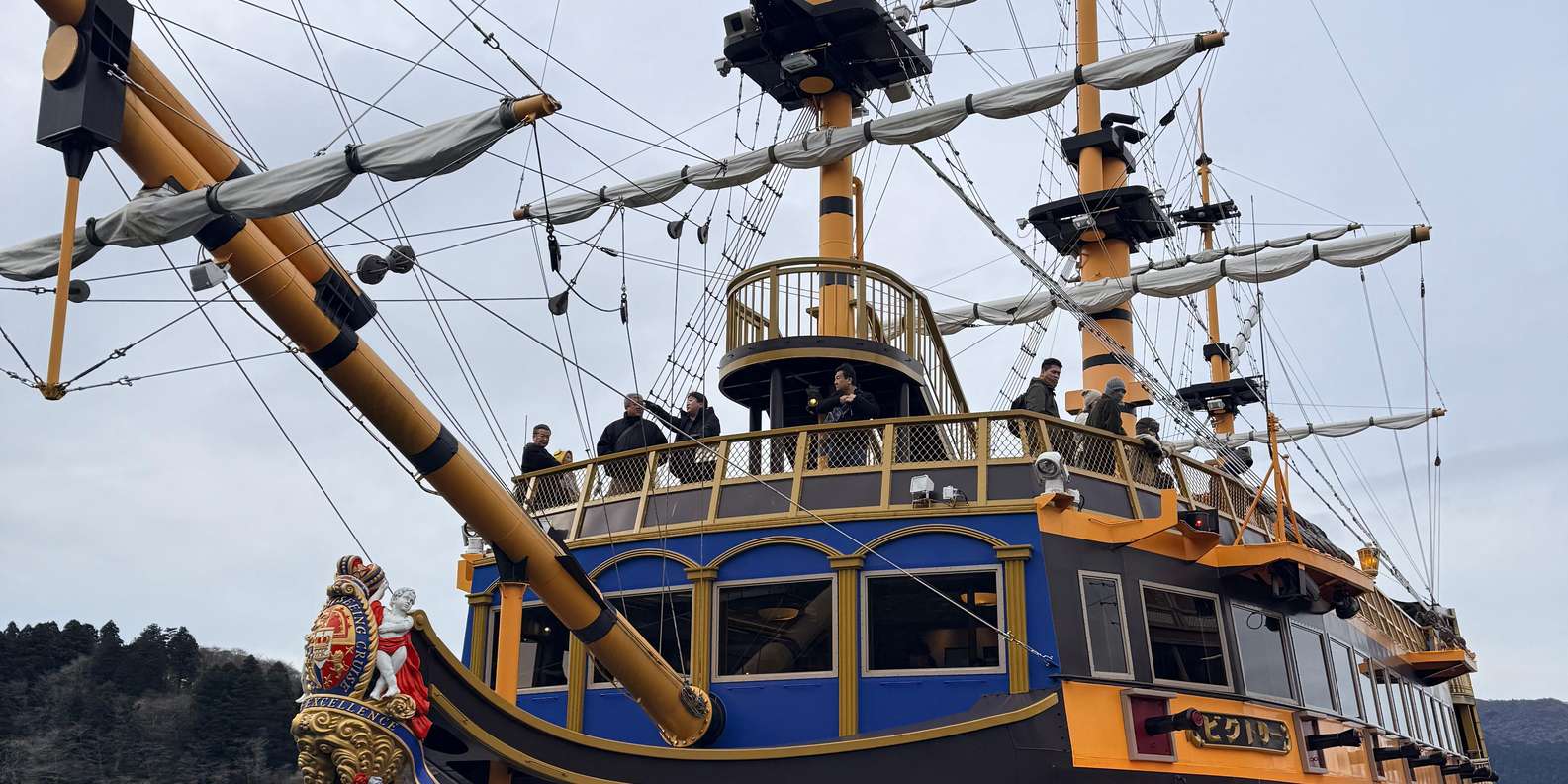
Owakudani’s steaming volcanic valley, the Hakone Ropeway, a pirate-ship cruise on Lake Ashi, and the floating torii of Hakone Shrine — all in one day from Tokyo.
Four easy steps from your Tokyo pickup to Owakudani’s hot-spring valley and back.
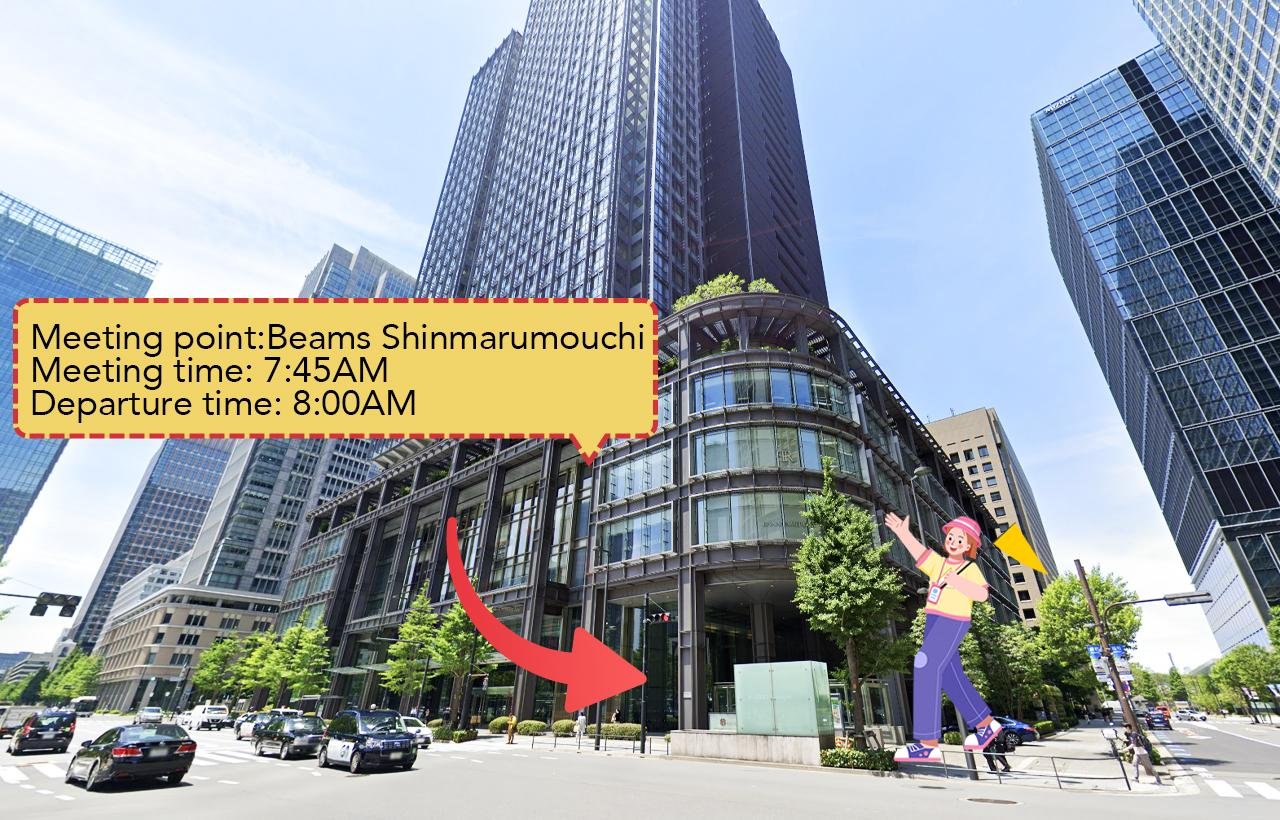
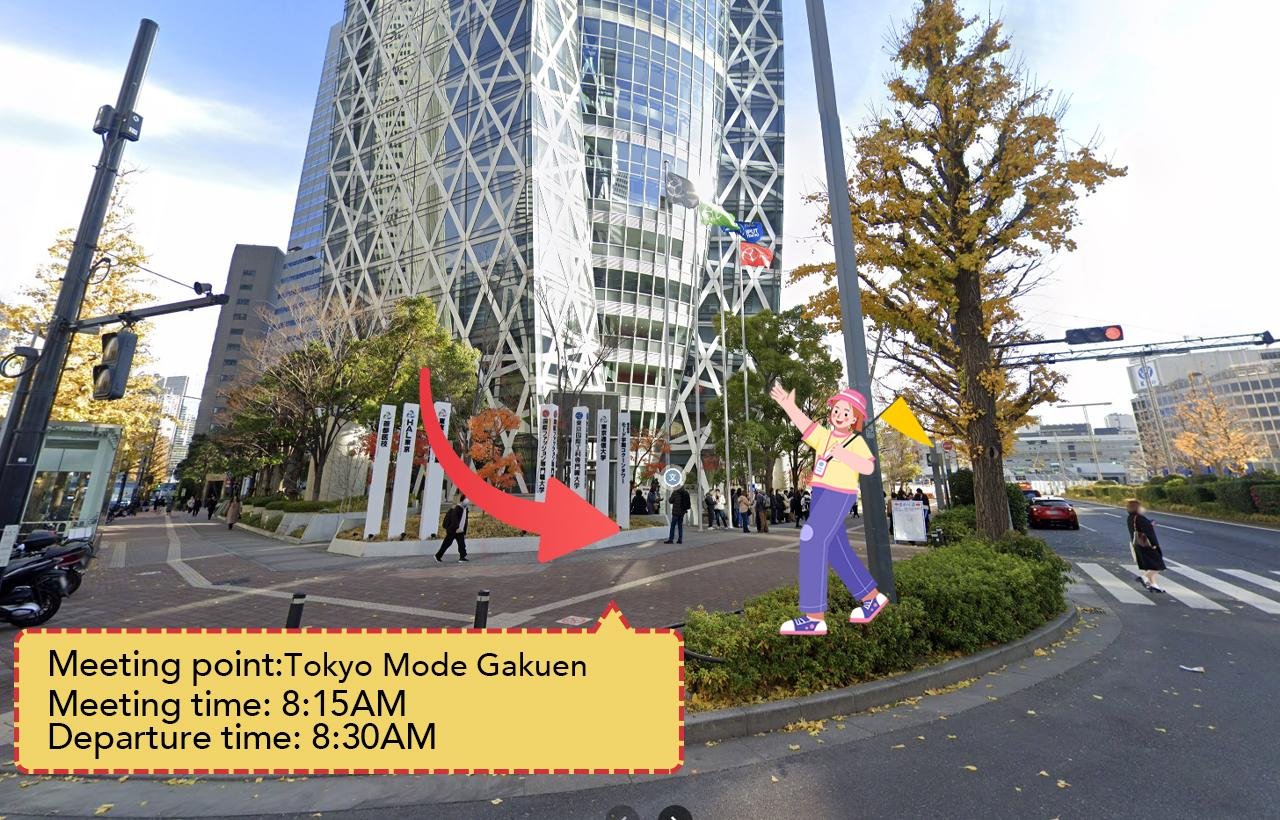
Meet your guide in the morning at a designated central Tokyo point — typically near JR Tokyo Station or Shinjuku Station — and board the air-conditioned coach for the drive toward the Hakone mountains.
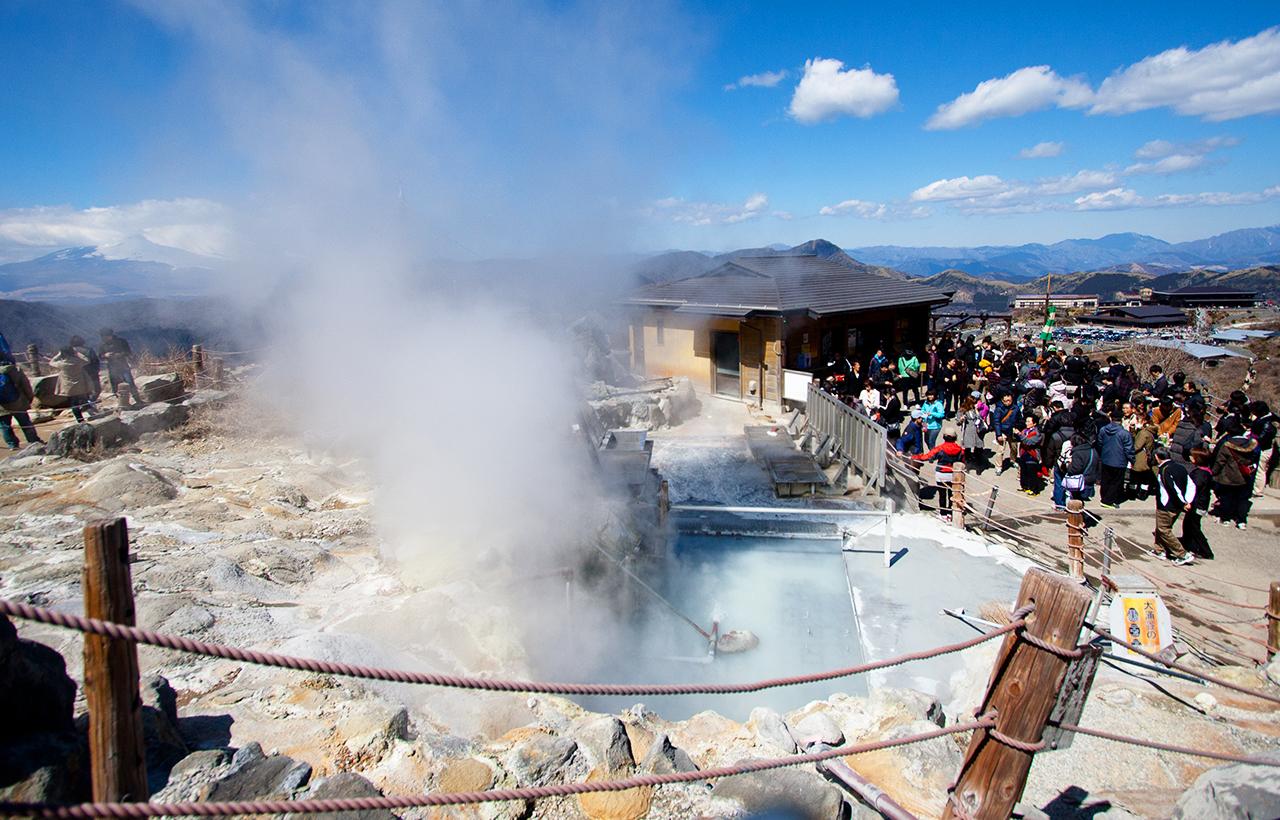
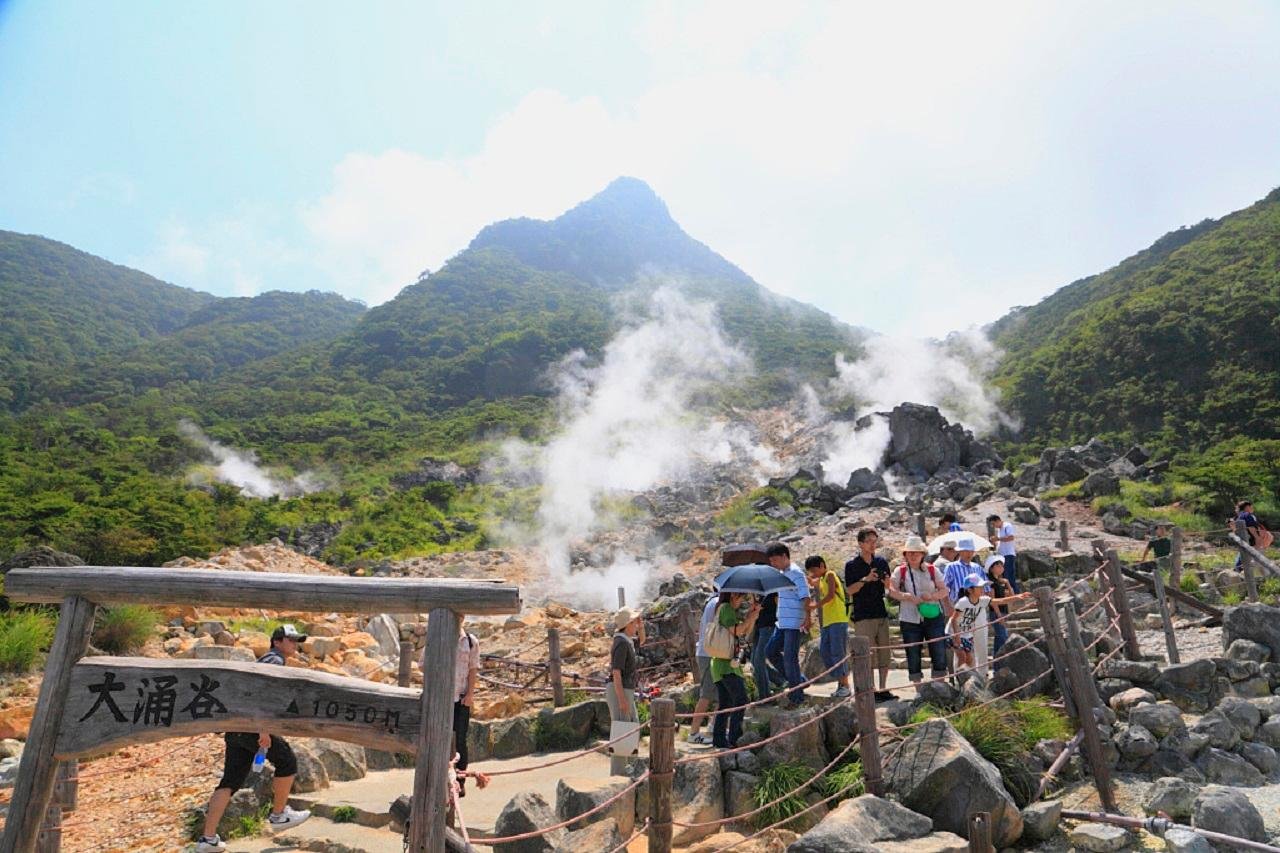
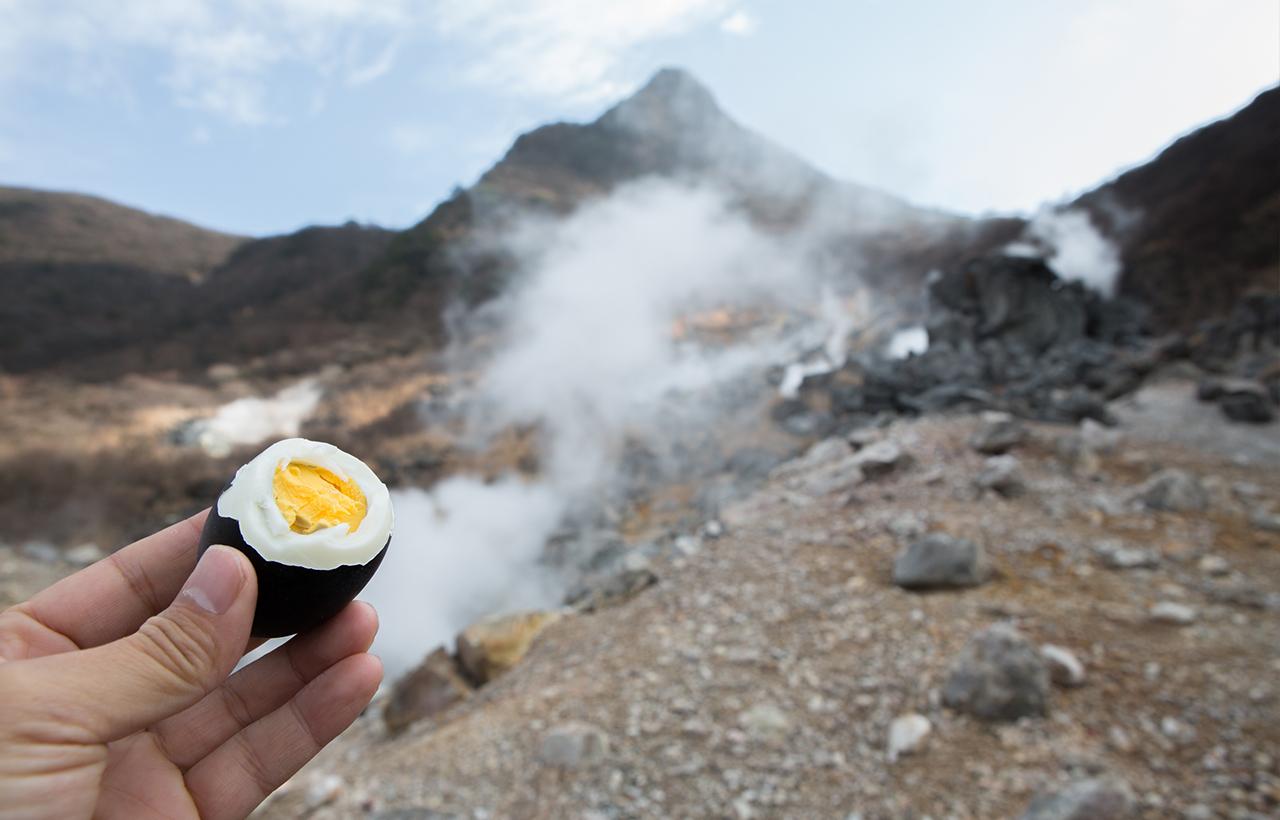
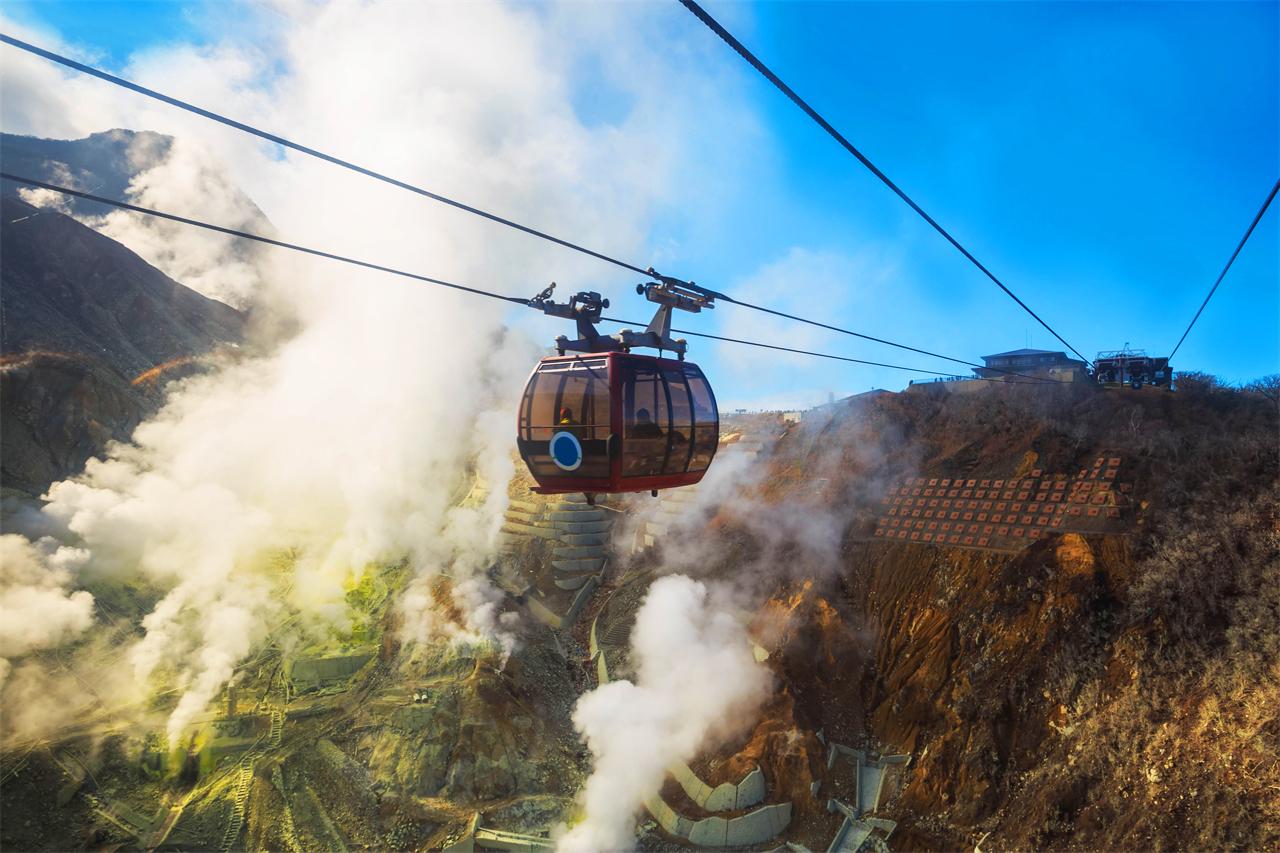
Ride the Hakone Ropeway high over Owakudani, the steaming volcanic valley where sulphur vents hiss from the hillside. Try the famous black eggs boiled in the hot-spring water — said to add seven years to your life.
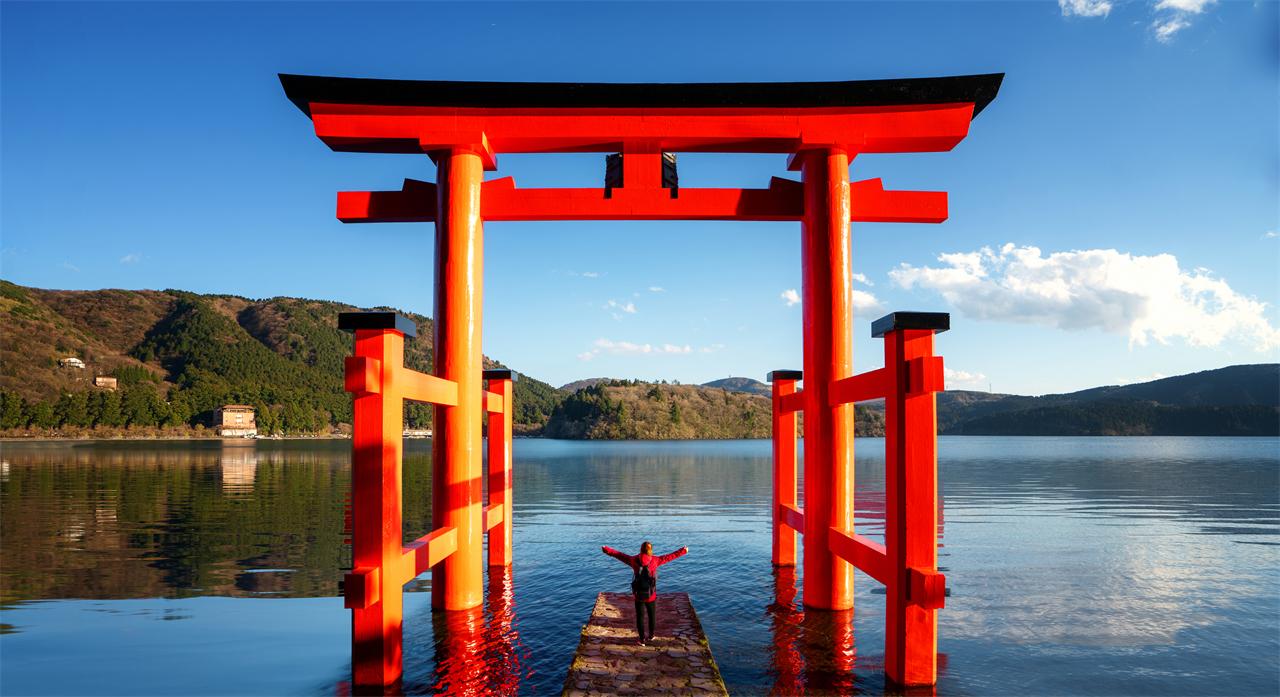
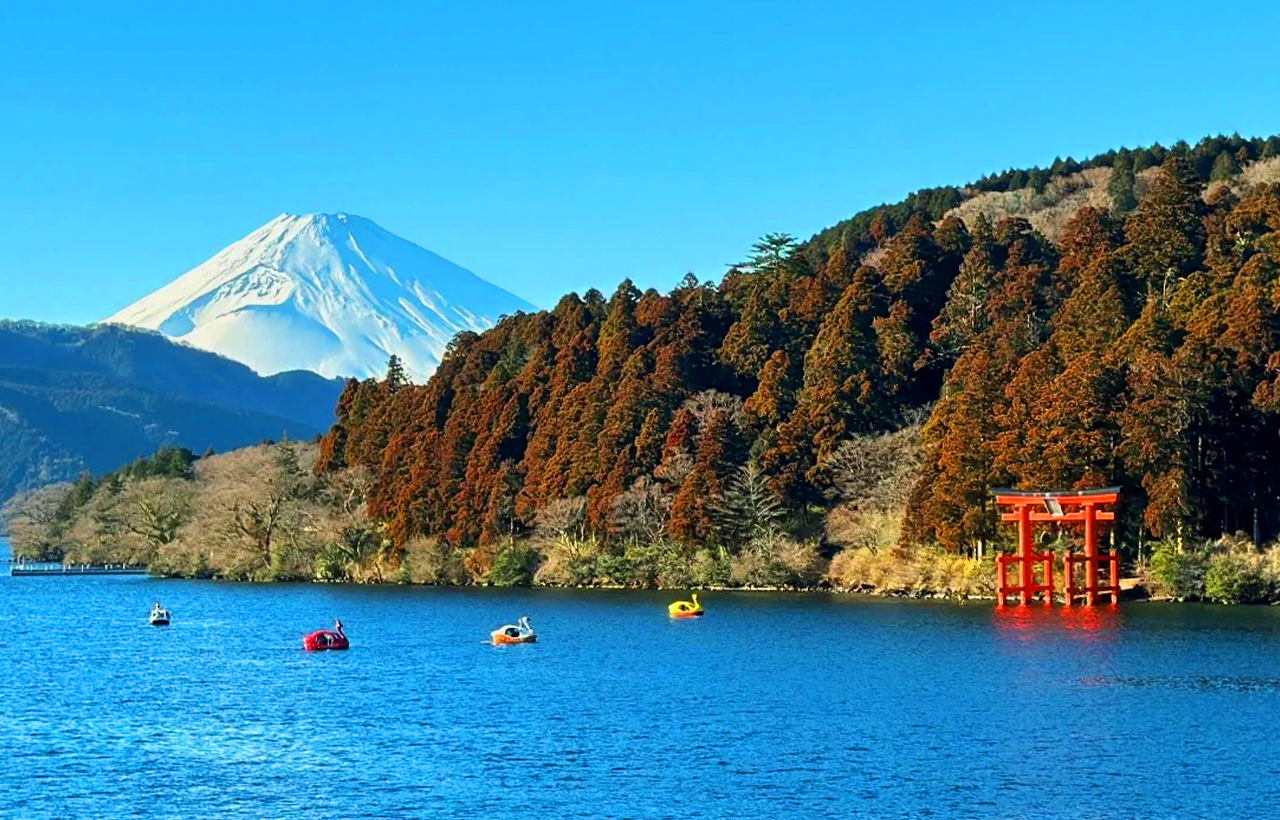
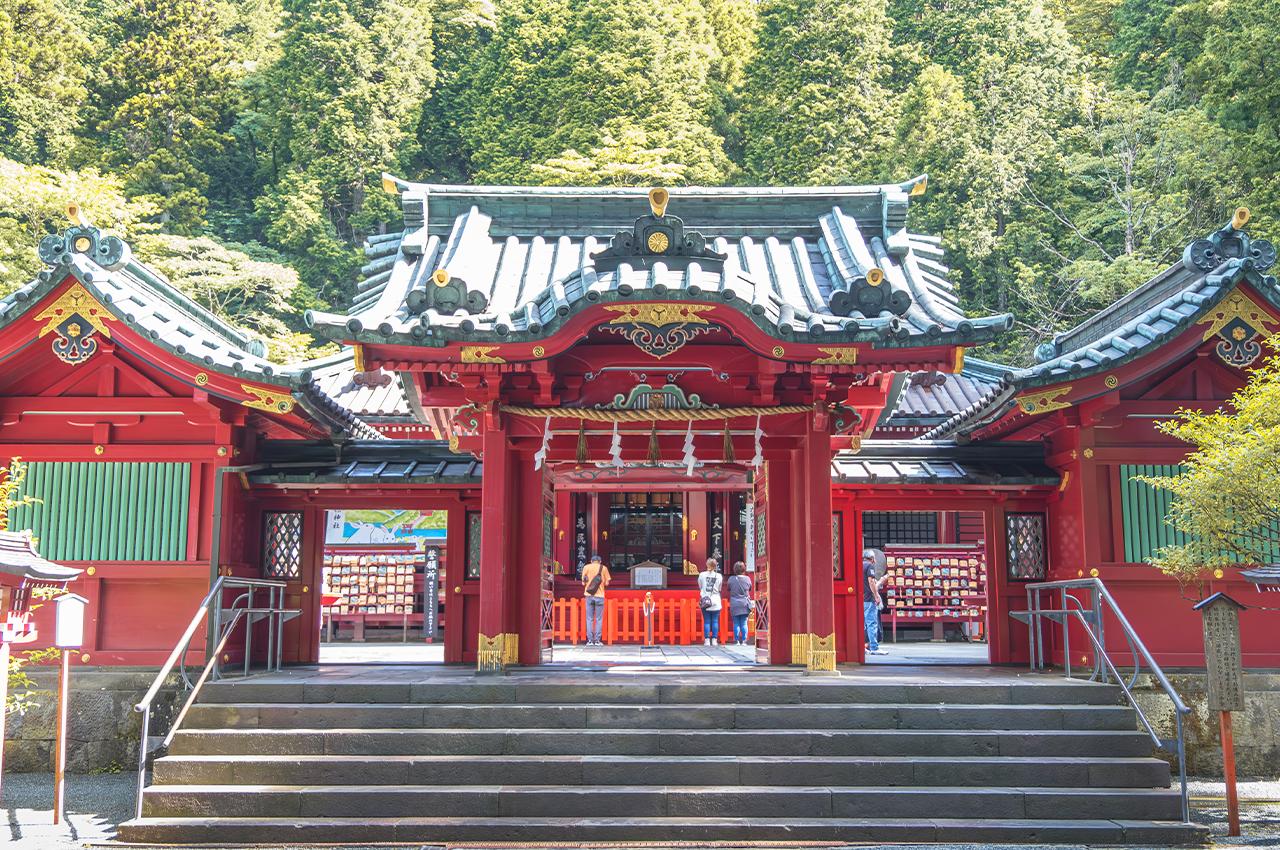
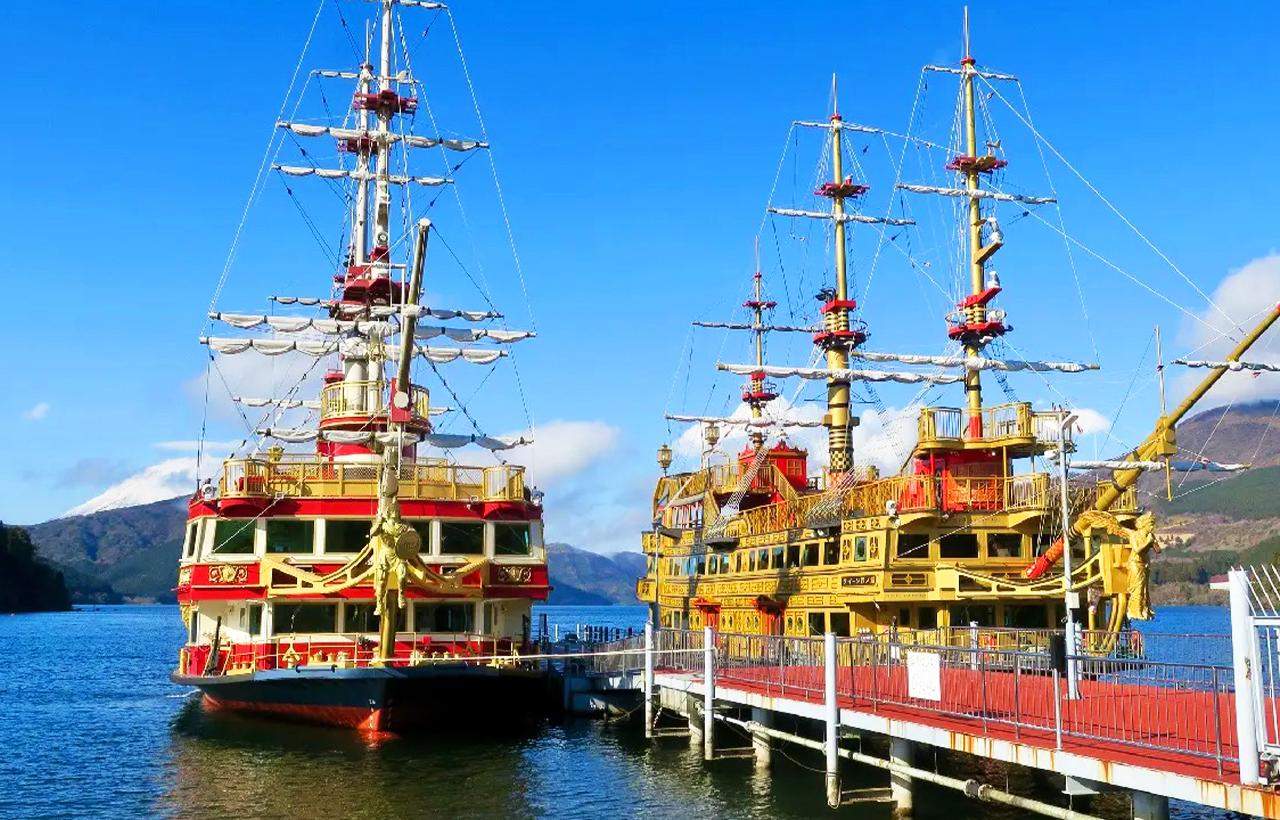
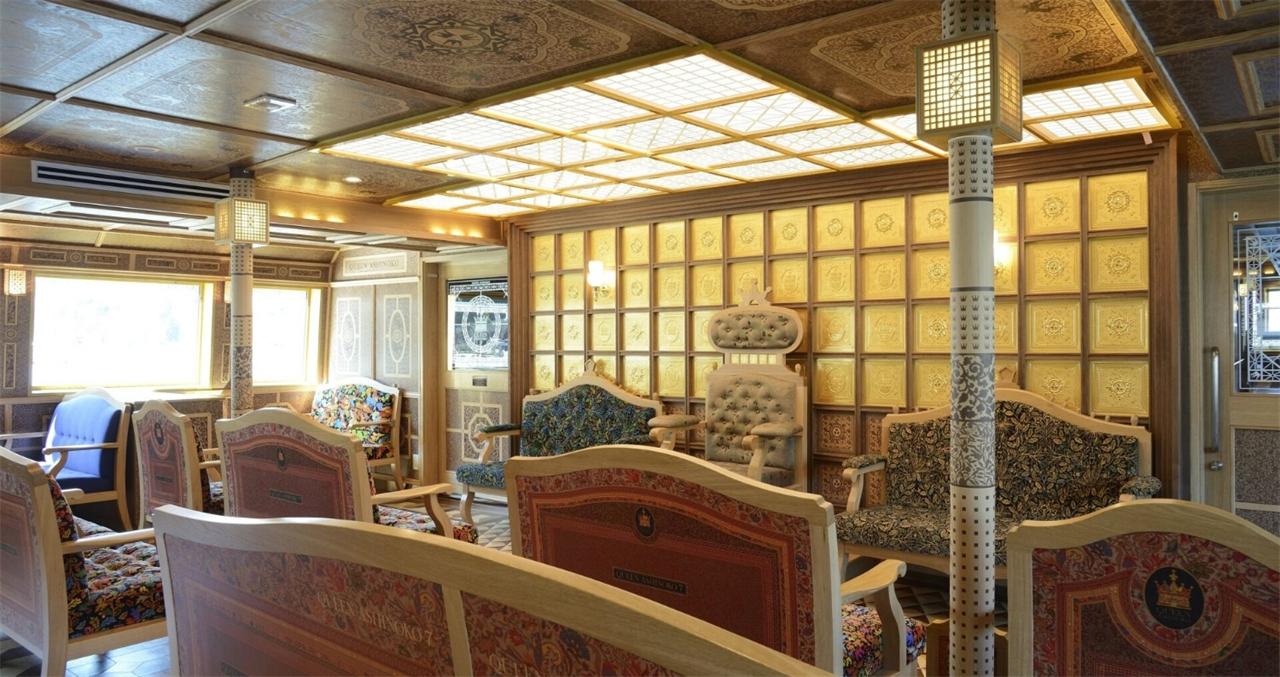
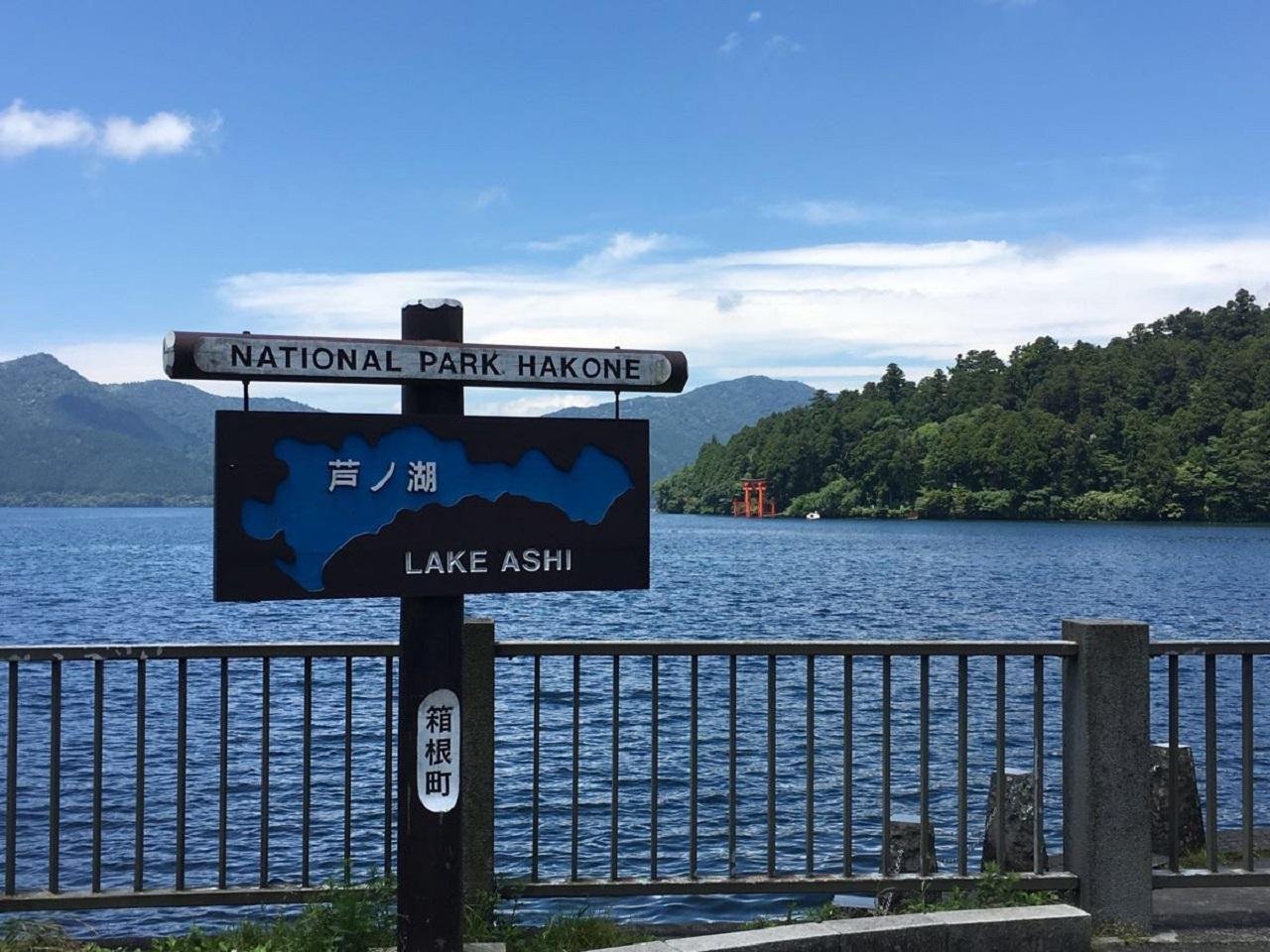
Down at Lake Ashi, cruise the caldera lake (an optional pirate-ship fare) and photograph the vermilion floating torii of Hakone Shrine standing in the water — one of Japan's most iconic shots.
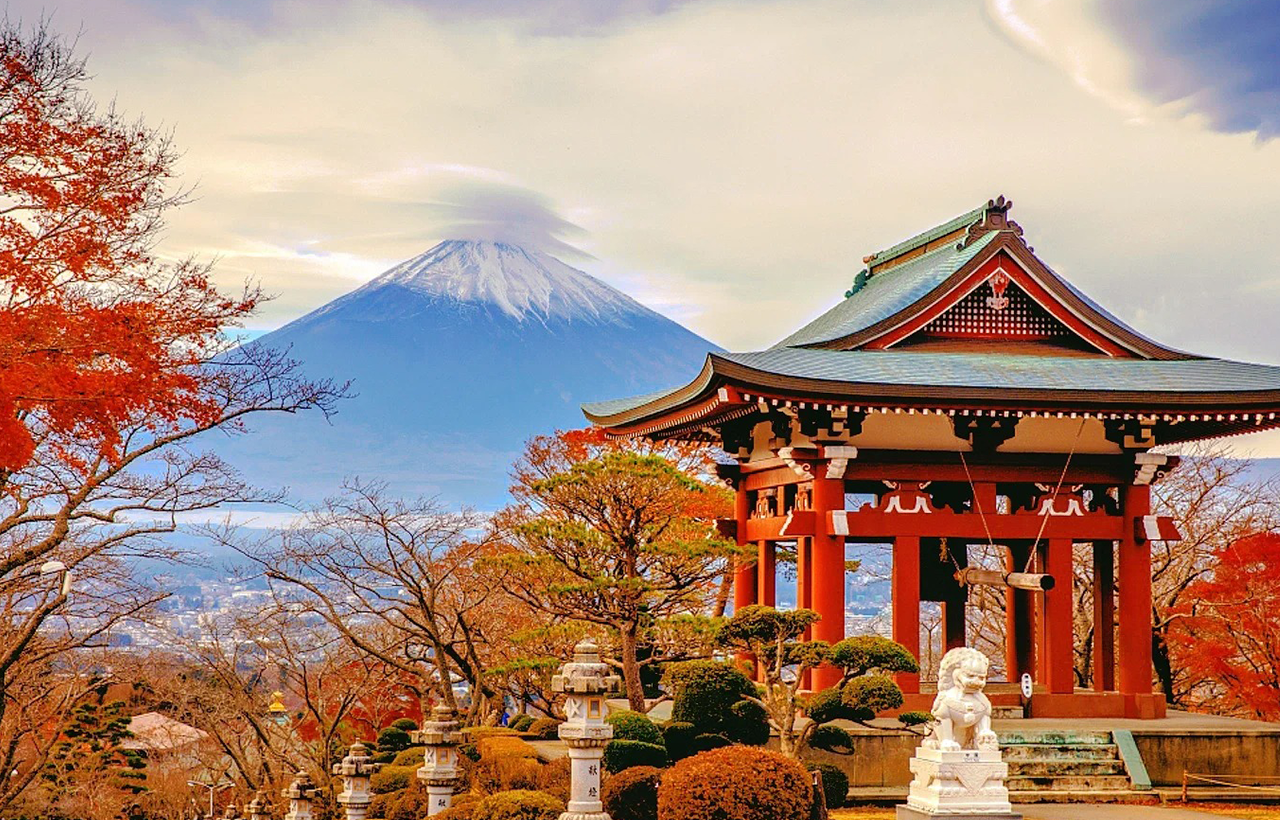
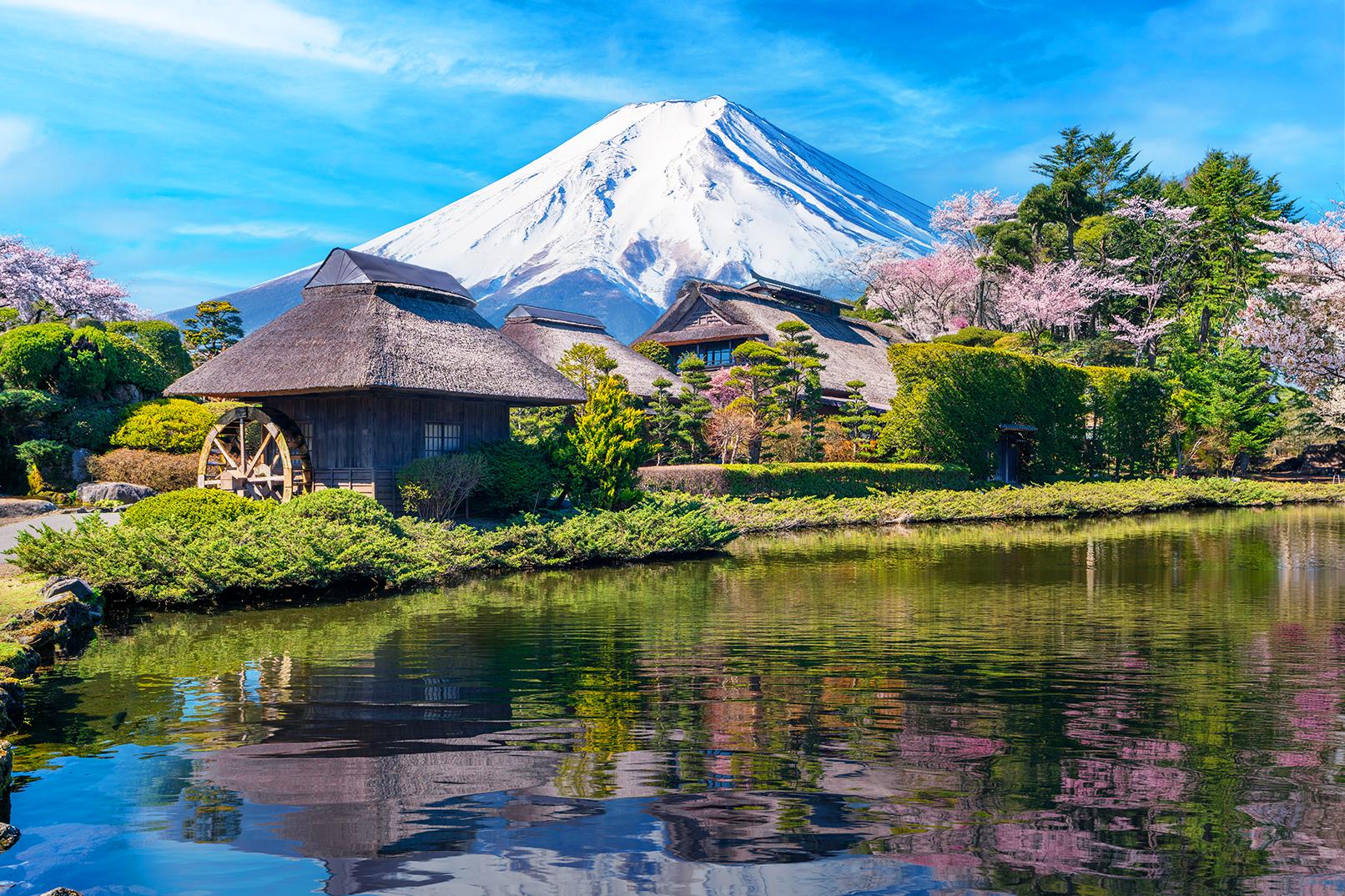
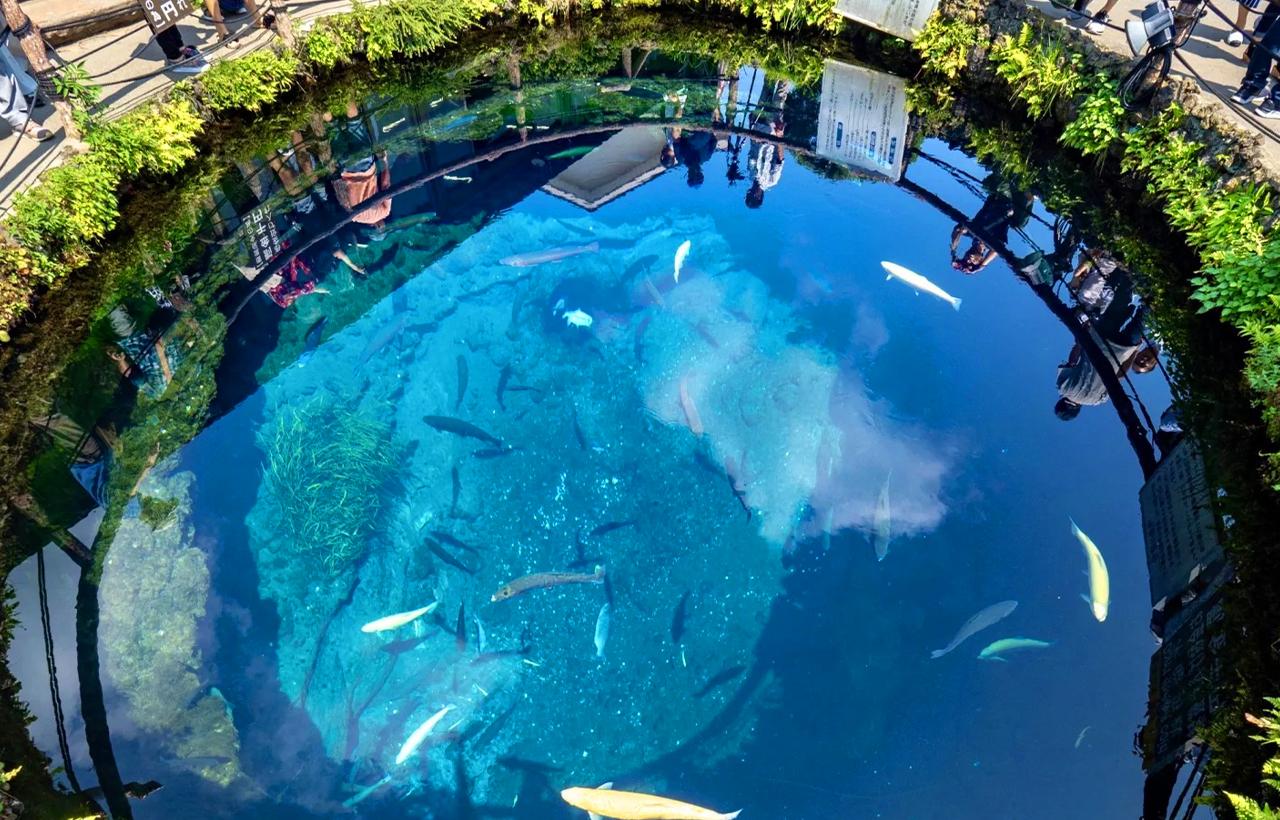
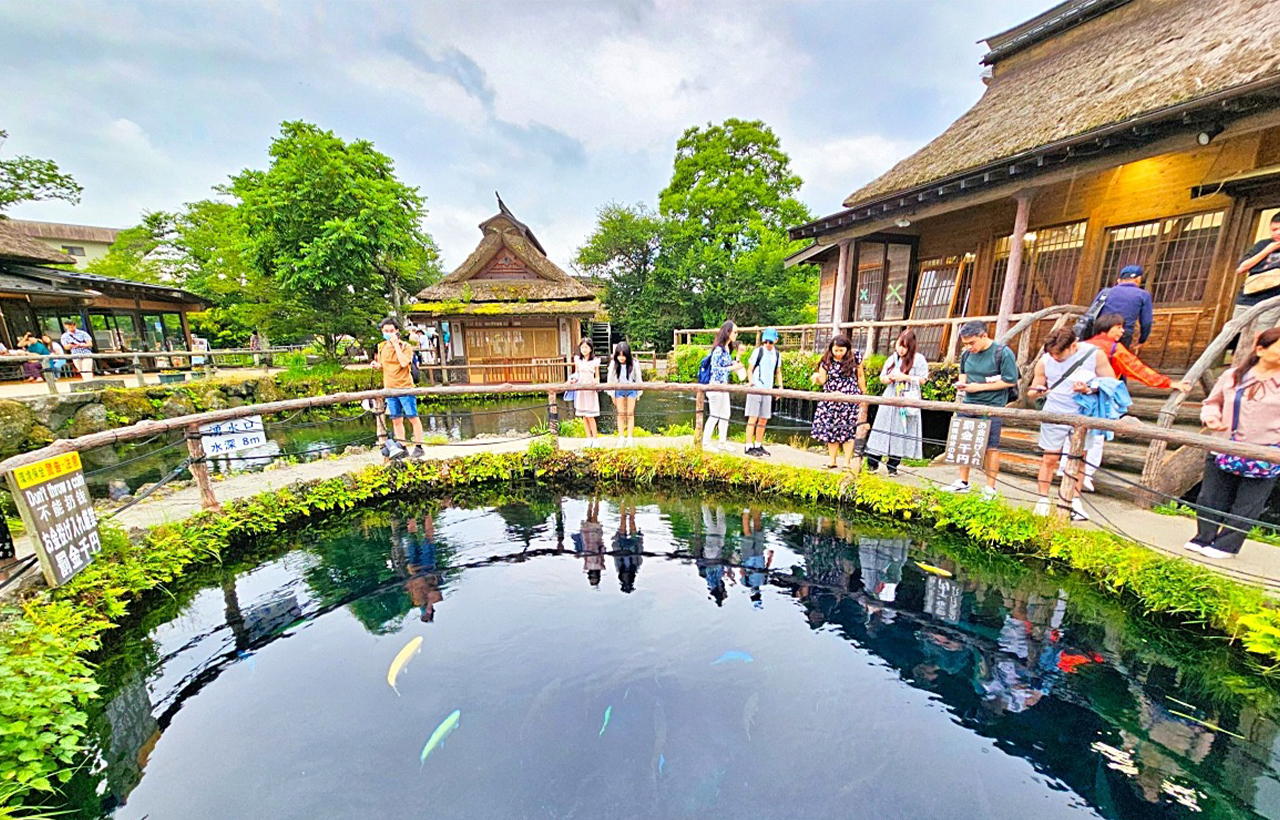
Stop for Mount Fuji photos at scenic viewpoints such as Oshino Hakkai, with its clear ponds fed by Fuji's snowmelt, before the relaxed evening drive back to Tokyo.
Photo Gallery
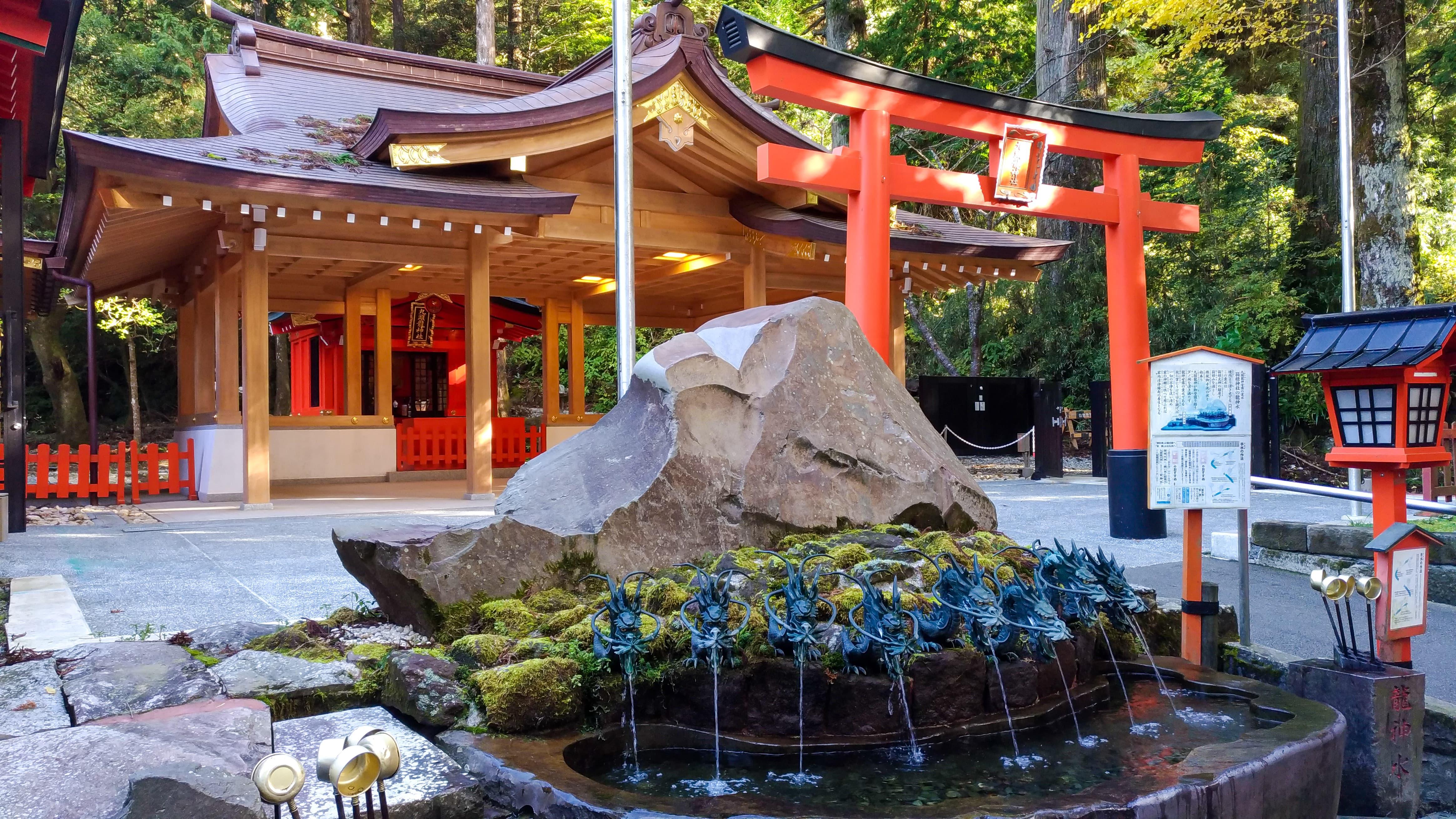
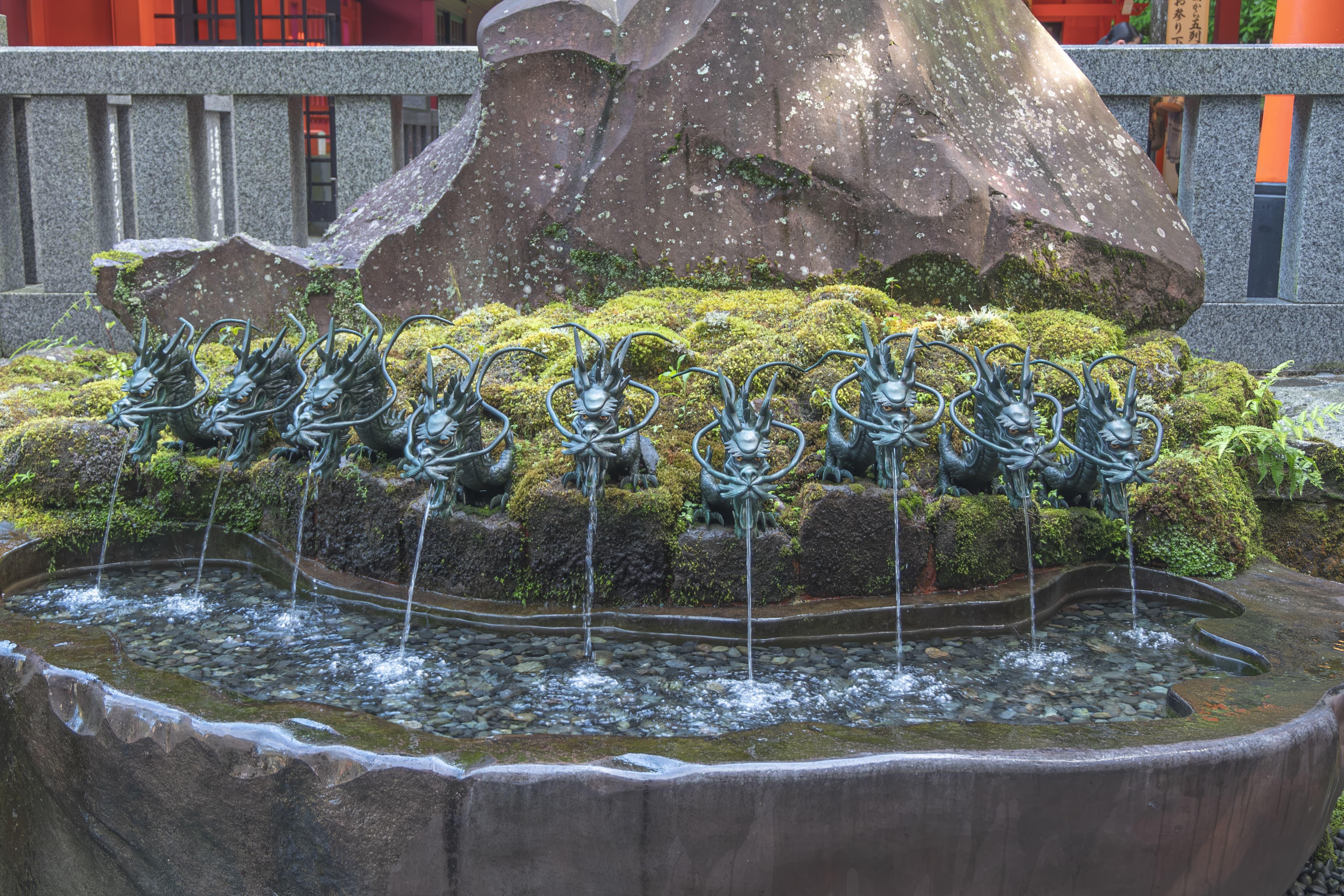
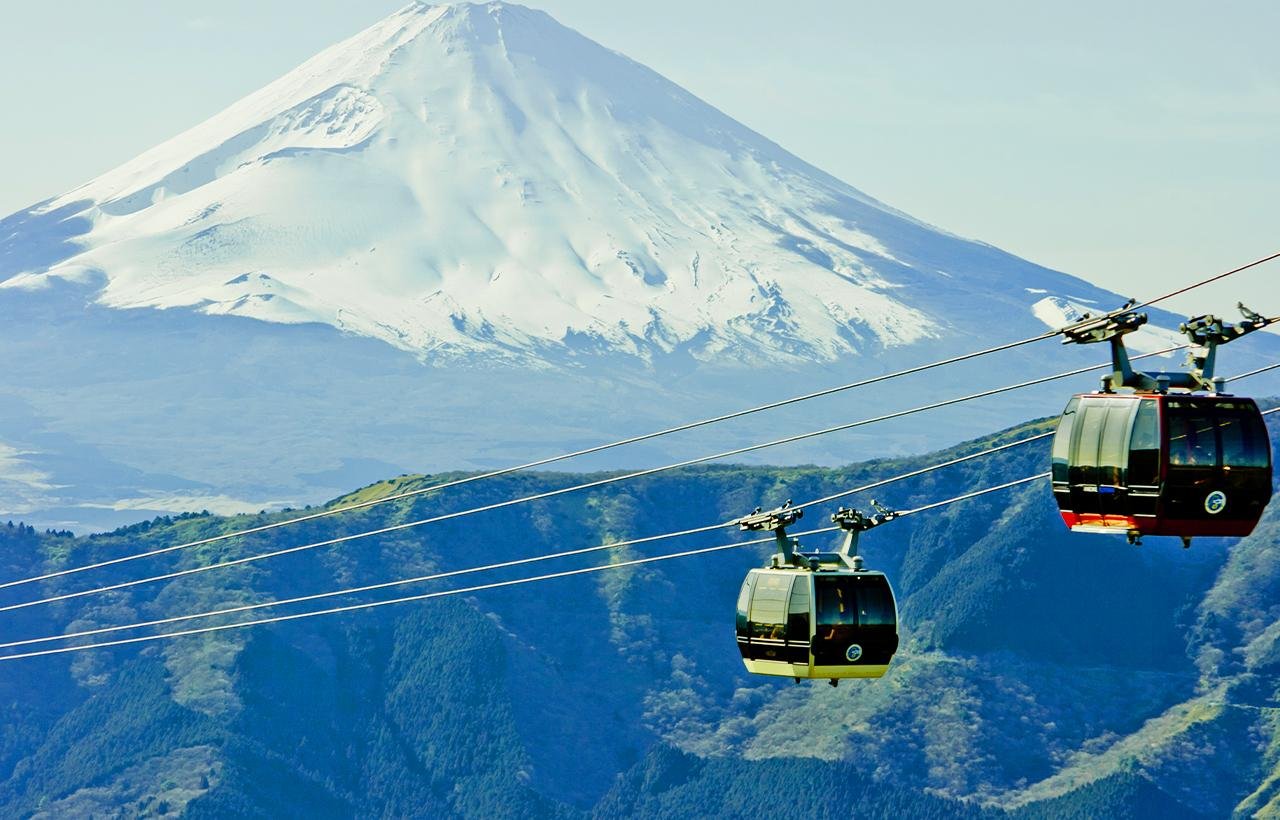
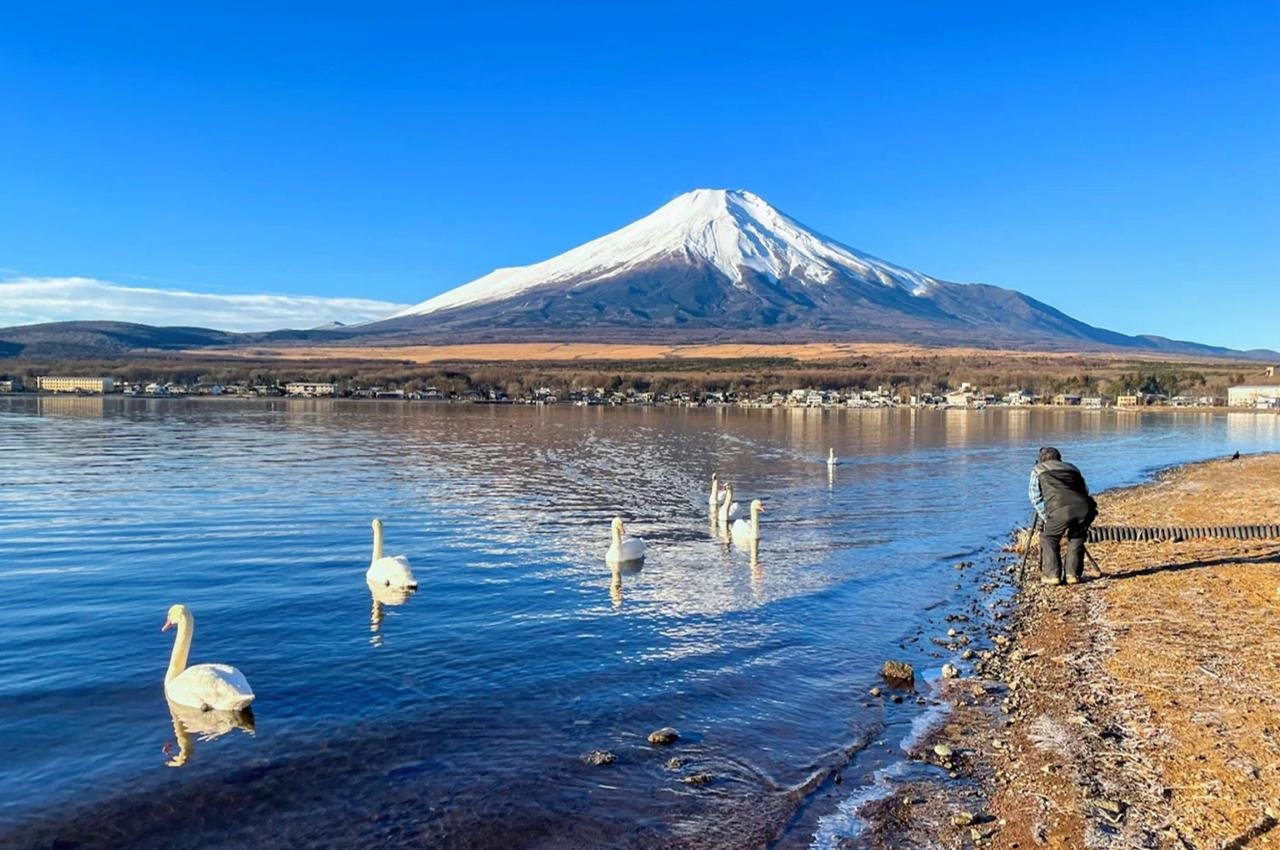
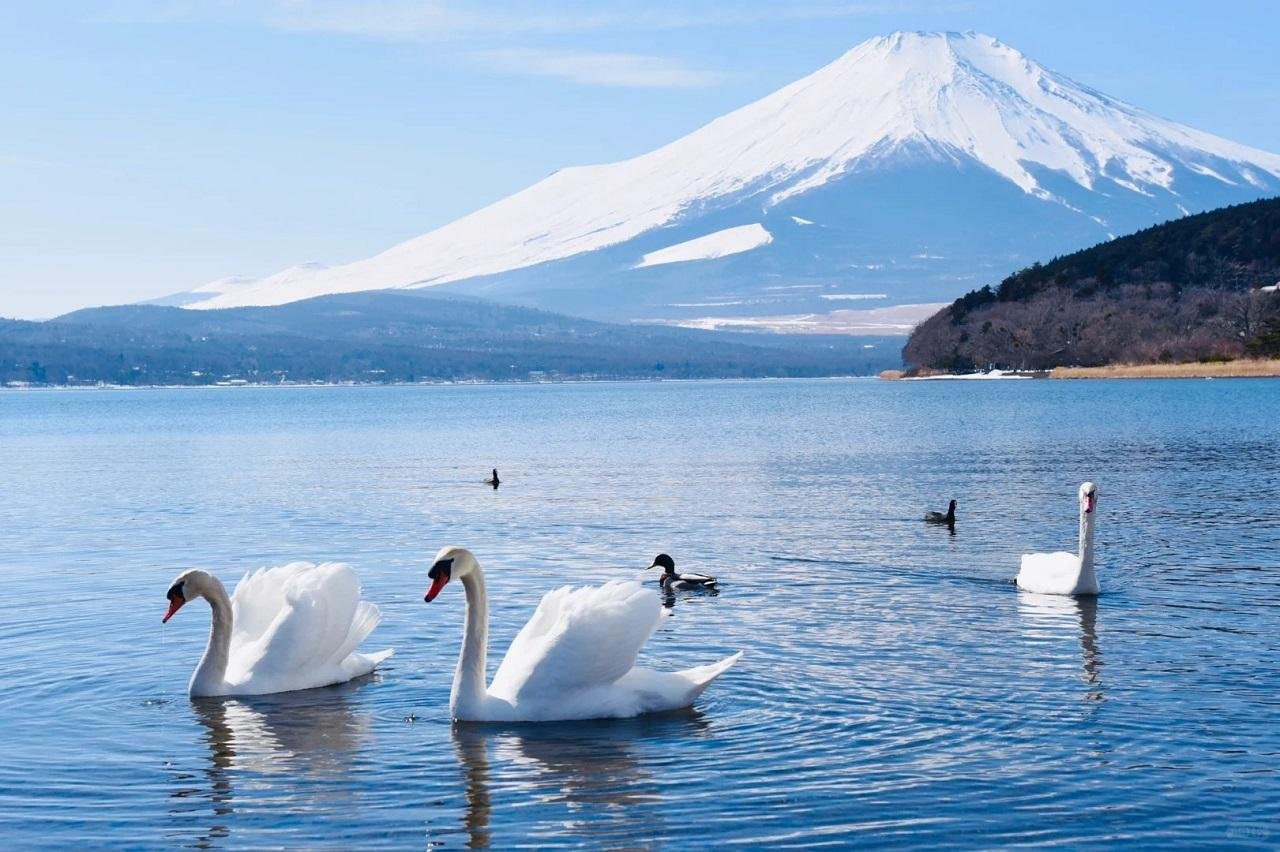
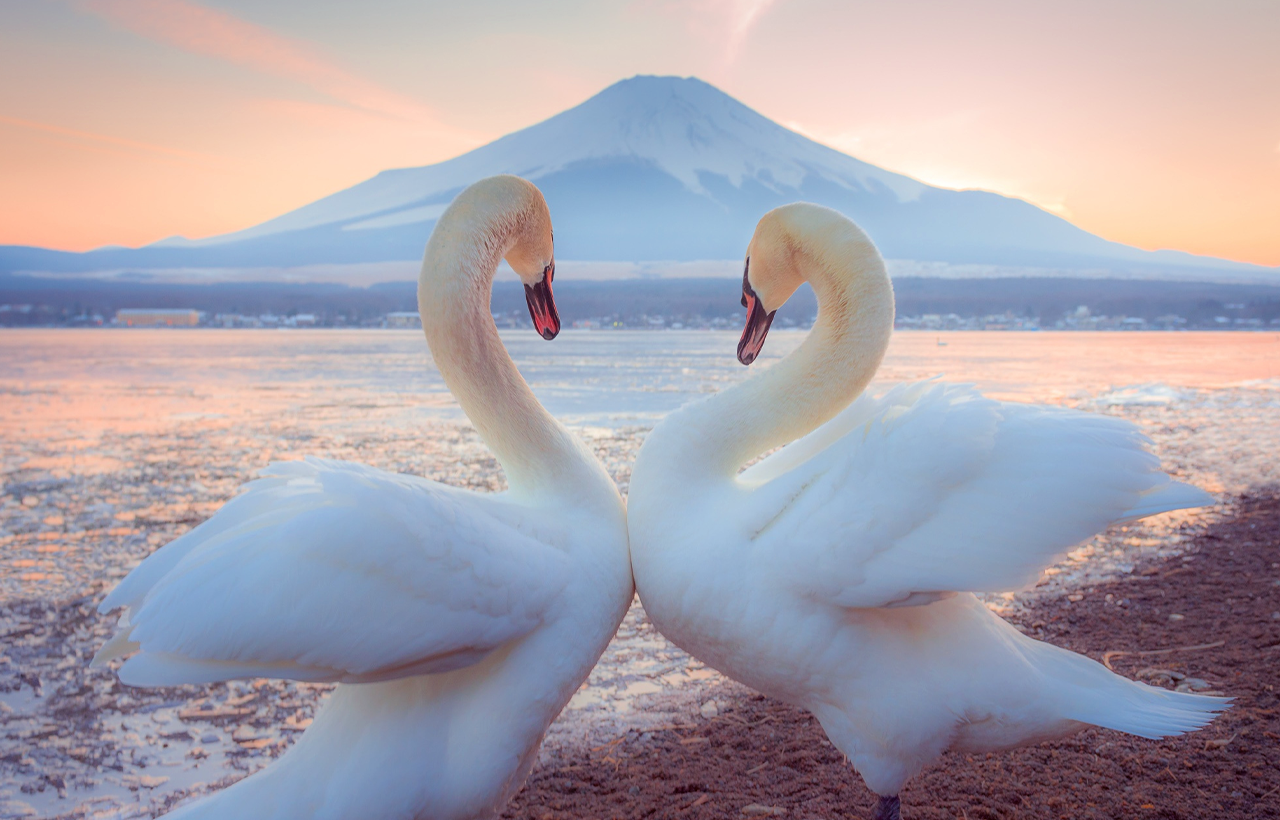
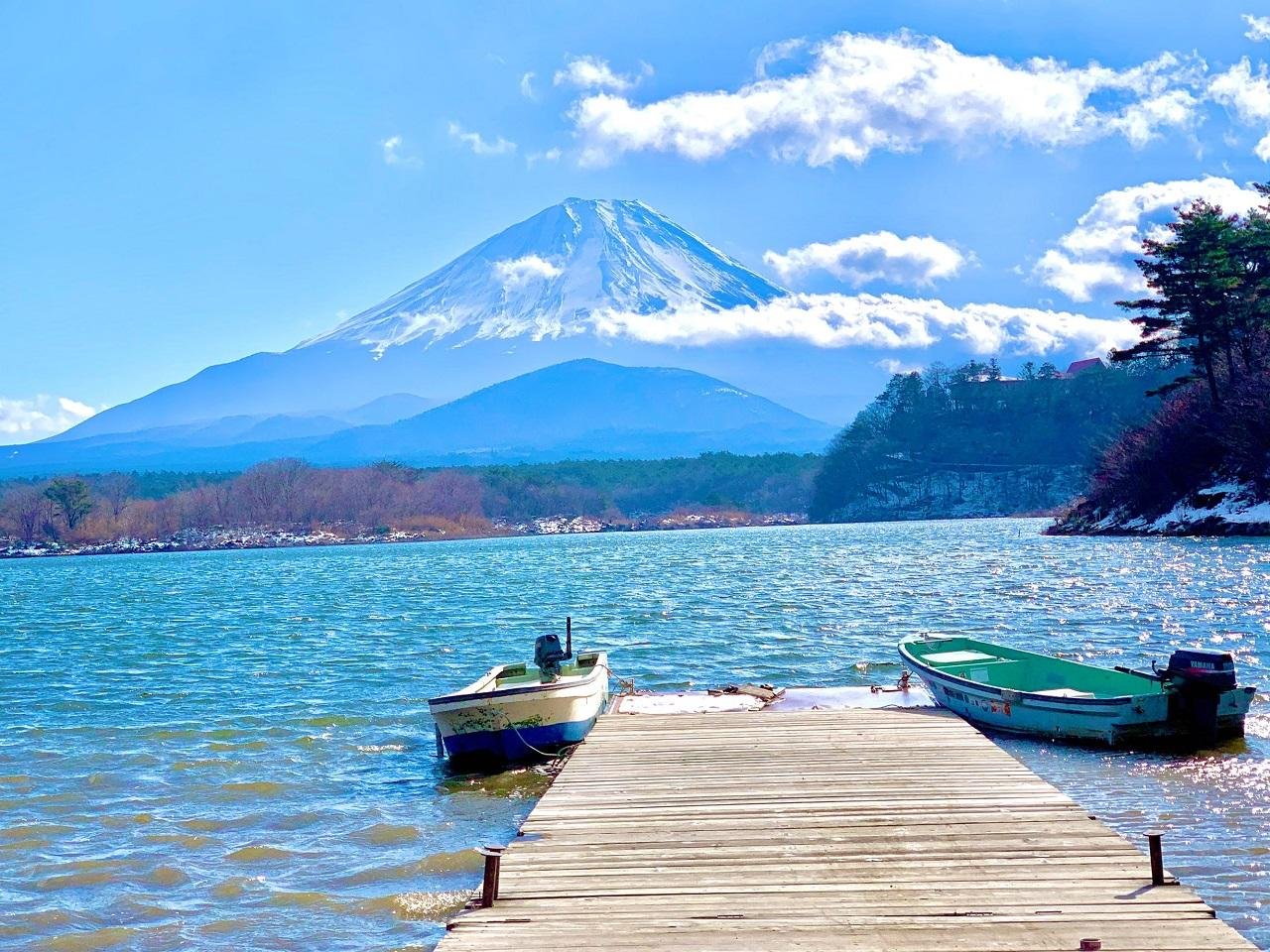
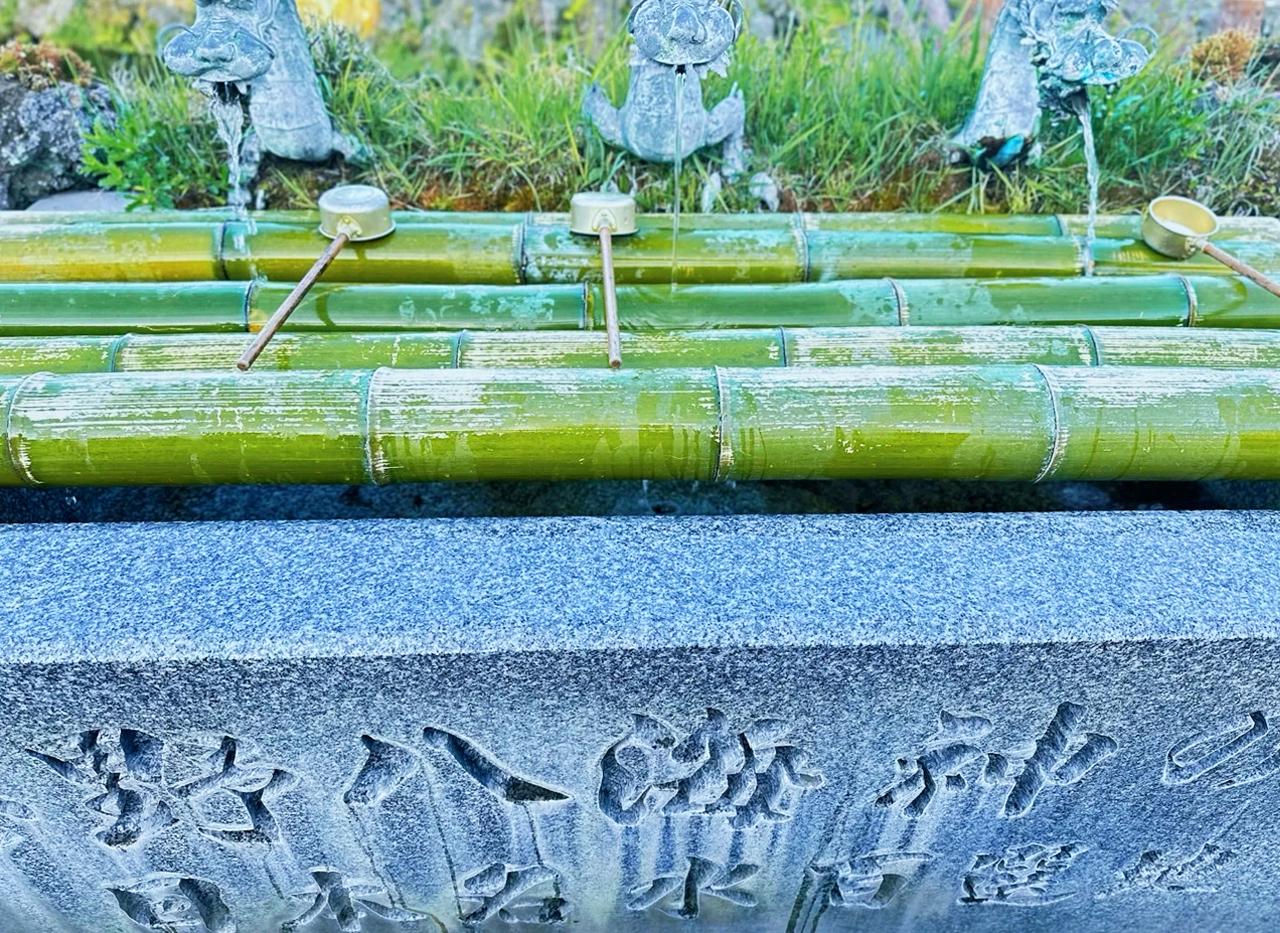
Owakudani’s sulphur vents, the floating torii on Lake Ashi, and Mt Fuji from the Hakone Ropeway.
Book Your Experience
Pick your date for the Fuji & Hakone day trip. Instant confirmation — free cancellation up to 24 hours before.
Three ways to reach Hakone's hot-spring country from Tokyo — the classic guided loop, the budget group tour, and a private onsen-focused day. How they compare on price, pace and what you actually see.
| Feature | MOST POPULAR Classic Guided Loop | Budget Group Day Trip | Private Onsen & Nature Tour |
|---|---|---|---|
| Starting Price | From $60/per person | From $49 per person | From $312 (private, whole group) |
| Rating & Reviews | 4.7 / 5 · 6,839 verified reviews | 4.9 / 5 · 533 verified reviews | 5.0 / 5 · 140 verified reviews |
| Group Type | Shared coach | Shared small group | Private — your group only |
| Hakone Ropeway & Owakudani | ✓ Ropeway over Owakudani | ✓ FREE ropeway + Owakudani | ✓ Ropeway over Owakudani |
| Lake Ashi Cruise | ✓ Pirate-ship cruise (optional fare) | ✓ Pirate-ship cruise included | ✓ Lake Ashi & Hakone Shrine |
| Onsen / Hot-Spring Soak | Owakudani valley (no bathing) | Owakudani valley (no bathing) | ✓ Onsen bathing stop included |
| Hotel Pickup | Designated Tokyo meeting points | Designated Tokyo meeting points | ✓ Hotel pickup & drop-off |
| Customizable Itinerary | Fixed route | Fixed route | ✓ Fully customizable |
| Best For | First-timers wanting the classic Hakone loop | Budget travellers & solo visitors | Couples, families & dedicated onsen seekers |
| Free Cancellation | ✓ Up to 24 hours before | ✓ Up to 24 hours before | ✓ Up to 24 hours before |
| Check Availability | See Budget Option | See Private Tour |
More Hakone Tours
From budget group day trips to private onsen-and-art tours — top-rated ways to reach Hakone’s hot-spring country and Mt Fuji from Tokyo.
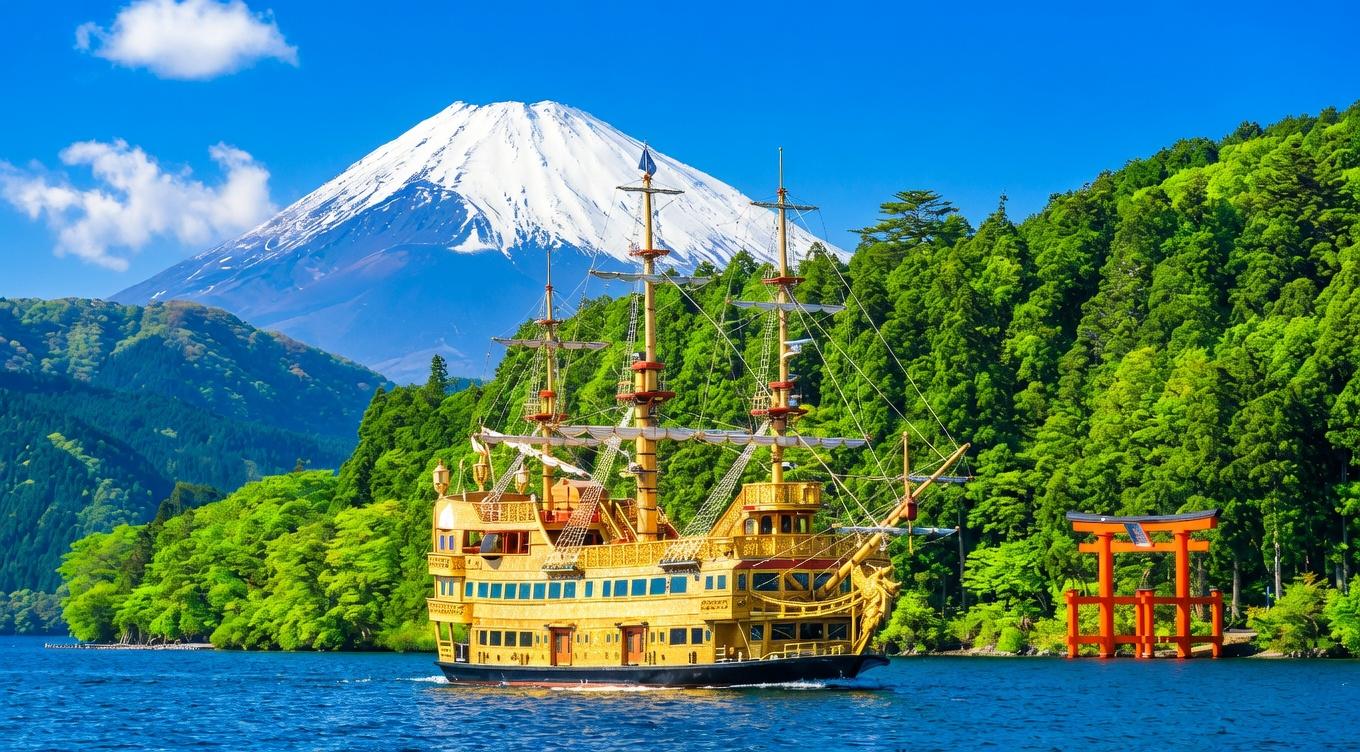 BEST VALUE
Discover Mount Fuji and Hakone on a day tour. Visit Hakone Shrine, sail on Hakone pirate ship, ride FREE Hakone Ropeway, explore Owakudani & Yamanakako Swan Beach.
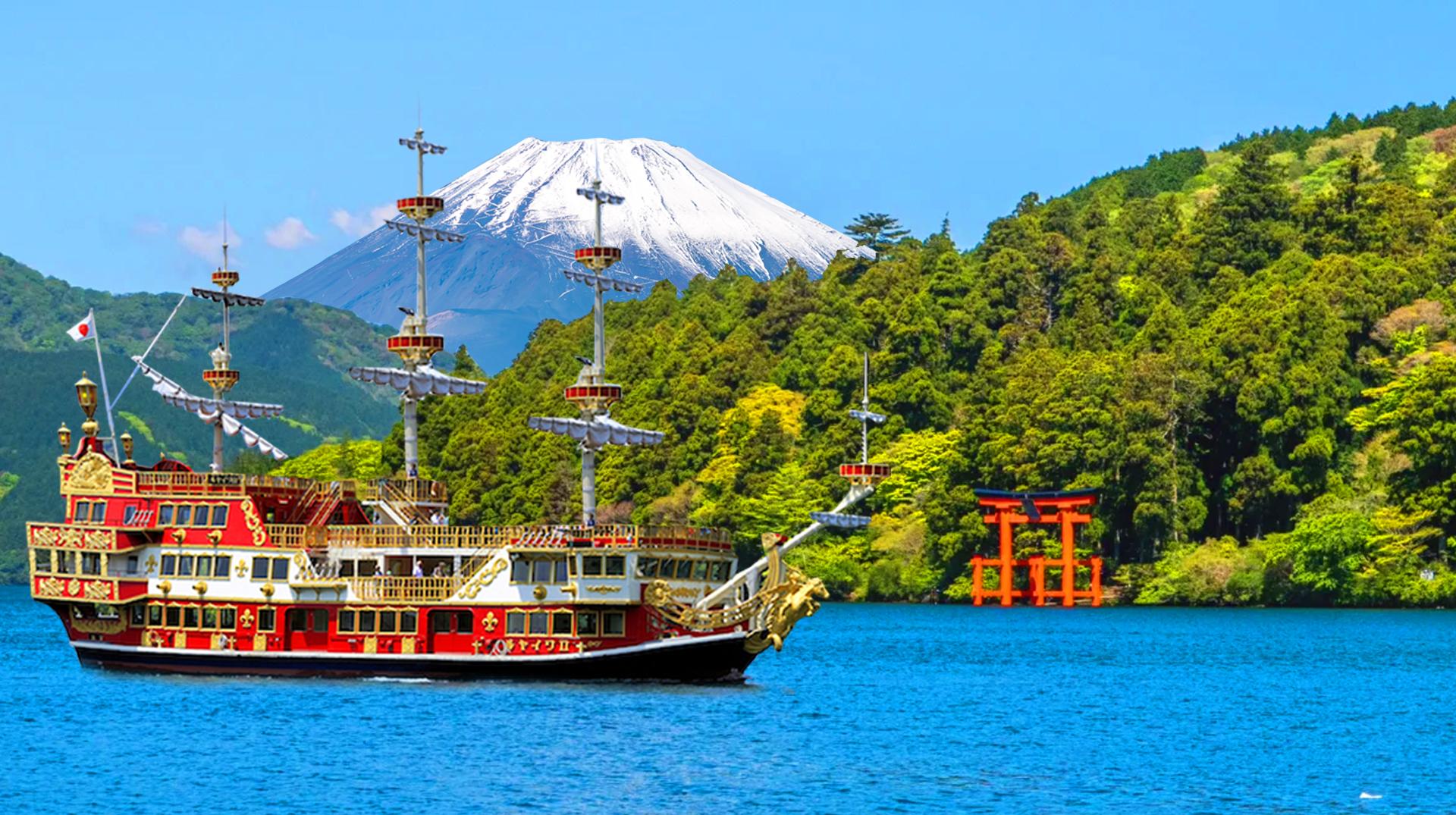 FUJI + COAST
Cruise Lake Ashi on a Hakone pirate ship, ride the ropeway over steaming Owakudani, then discover Enoshima for the iconic 'Sea of Fuji', blue waters, and golden sands.
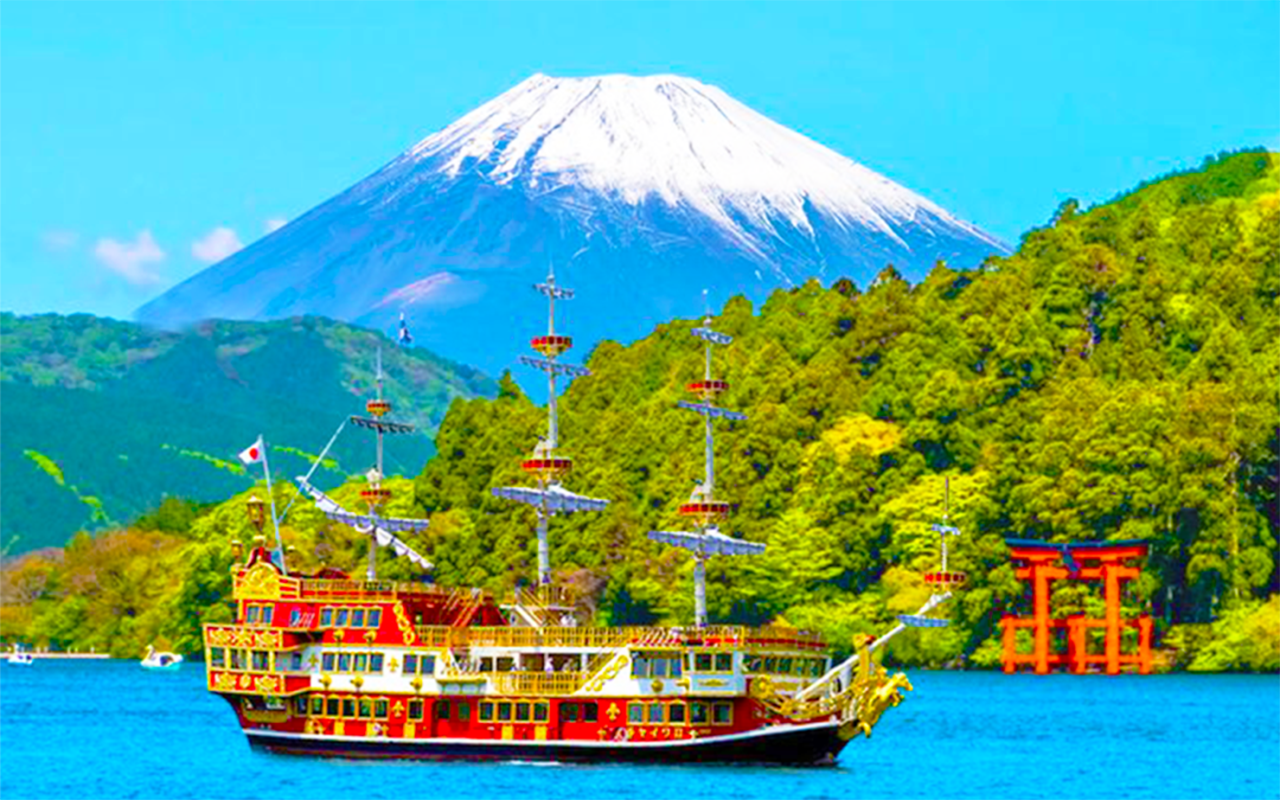 NO-CAR BY BUS
Opening Month Special — Big Savings! Enjoy stunning views of Mt. Fuji on a scenic cruise, then capture a memorable photo at the iconic torii gate standing in the lake.
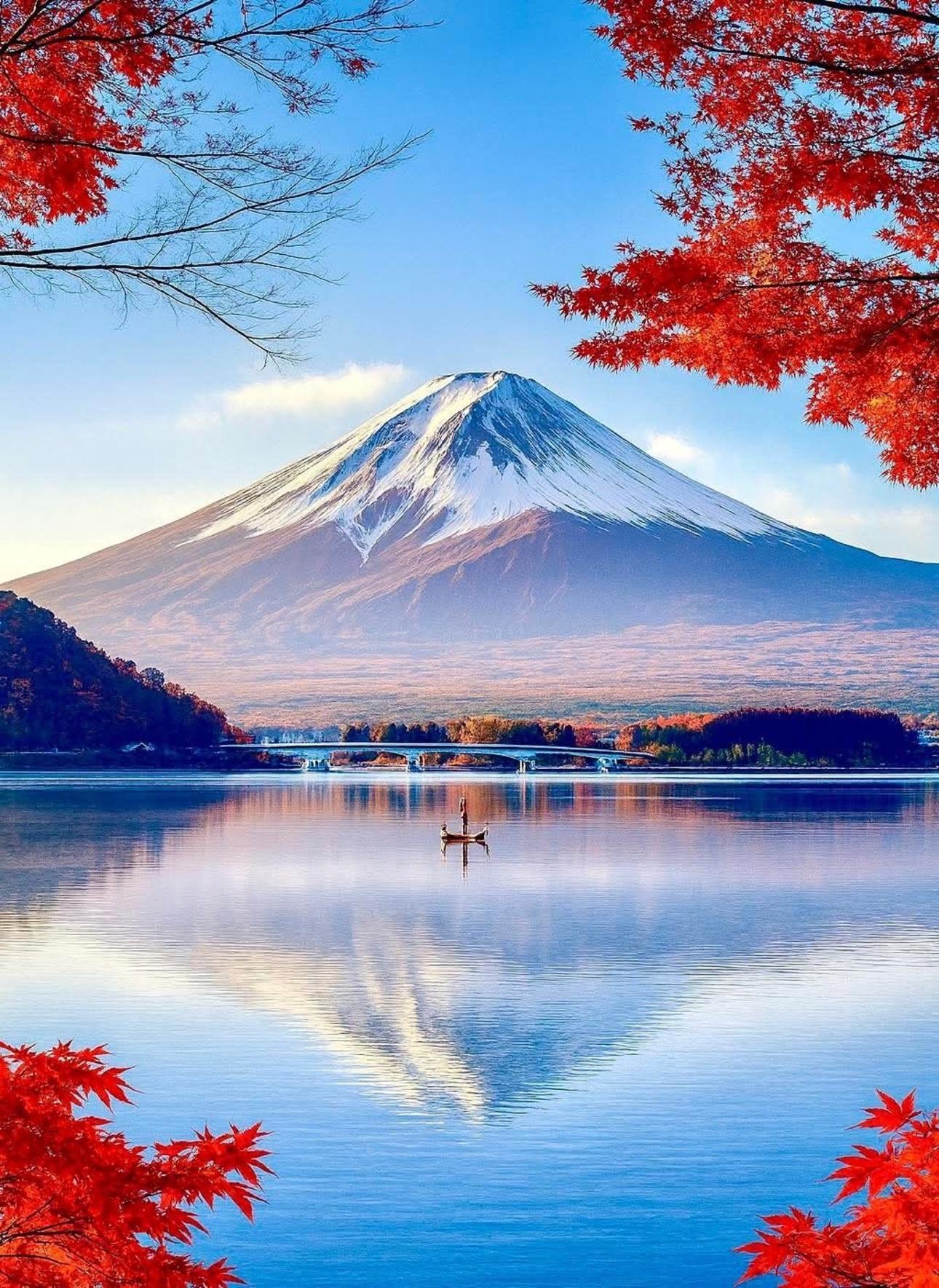 PRIVATE + ART
Explore one of Japan's most iconic destinations, Mount Fuji and Hakone, on a full-day tour from Tokyo, Yokohama, Hakone and Fuji Kawaguchiko. Visit several places in this private day trip.
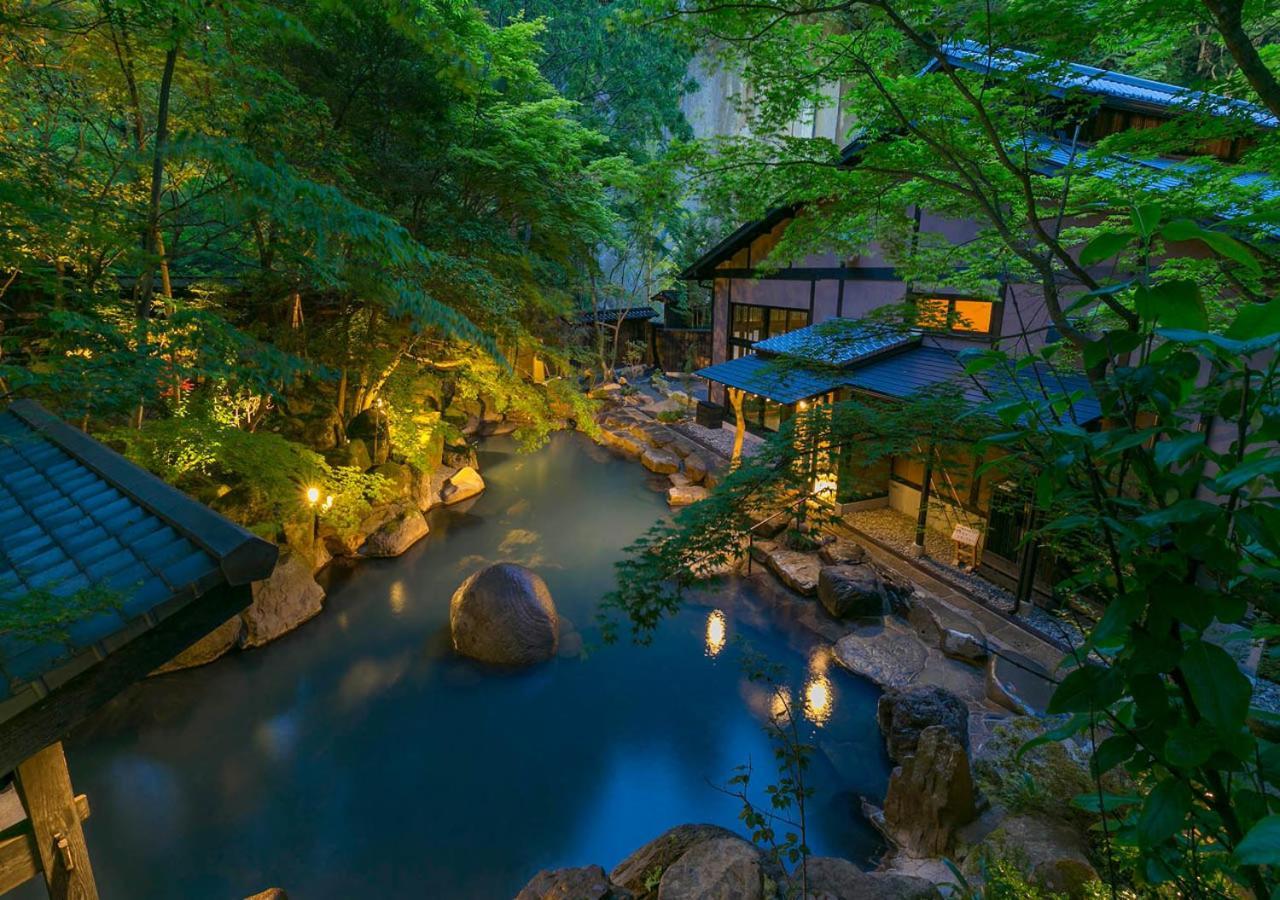 ONSEN FOCUS
Embark on a private day trip from Tokyo to Hakone and Mt. Fuji. Stop at lesser-known viewpoints, visit Lake Ashi and the Hakone Shrine, and relax in an Onsen (hot spring).
Pair Your Visit
Three more top-rated day trips from Tokyo that pair naturally with Hakone — Mt Fuji's lakes, the Chureito Pagoda, and the temple town of Kamakura.
The other classic Mt Fuji loop — the five-storey Chureito Pagoda framing Fuji, the lakeside at Kawaguchiko, and the spring-fed ponds of Oshino Hakkai. A perfect complement to the Hakone side of the mountain.
5TH STATIONClimb by coach to the Mt Fuji 5th Station for close-up views above the clouds, then cruise Lake Kawaguchi. The high-altitude counterpart to a Hakone hot-spring day.
TEMPLE TOWNPair Lake Ashi with Kamakura's Great Buddha and seaside temples on a single coach day from Tokyo — coastal history plus the Hakone lake in one trip.
Onsen Country
What makes Hakone Japan's onsen capital — the volcanic springs of Owakudani, the onsen towns, ryokan versus day-use bathing, the etiquette, and how to reach it all from Tokyo.
Mention an onsen weekend to anyone in Tokyo and Hakone is the first place they name. Tucked into the mountains of the Fuji-Hakone-Izu National Park, less than two hours from Shinjuku, Hakone has been Japan’s go-to hot-spring escape for centuries — it was a checkpoint town on the old Tokaido road between Kyoto and Edo. Today it draws travellers for one simple reason: this is where you soak in volcanic mineral water with Mount Fuji on the horizon.
This page is the cultural and practical companion to the Hakone day trips you can book below. The tours are the gateway — most depart Tokyo and loop through Owakudani, the Hakone Ropeway and a Lake Ashi cruise — while the onsen itself is something you choose, whether that’s a steaming public bath, a private ryokan tub, or the resort pools of Yunessun. Here’s how it all fits together.
Hakone sits inside an ancient volcanic caldera, and that geology is the whole story. Rainwater seeps down, is heated by the volcanic system below, and rises again as many distinct hot-spring sources. Hakone is famous for this variety: different valleys produce different waters — clear simple springs, milky sulphur springs, salt-rich springs — so two onsen a few kilometres apart can feel completely different on the skin. Combined with its closeness to Tokyo and a dense cluster of ryokan, public baths and bathhouses, that range is what earns Hakone its reputation as one of the country’s most accessible onsen destinations.
If you want to see the source of all that hot water, go to Owakudani. This is the “Great Boiling Valley,” a scarred, steaming basin left by the volcanic activity of Mount Hakone. Sulphur vents hiss from the hillside, the air smells of egg, and the whole valley looks more like a moonscape than a spa town. The Hakone Ropeway glides directly over it, which is why nearly every day trip includes this leg.
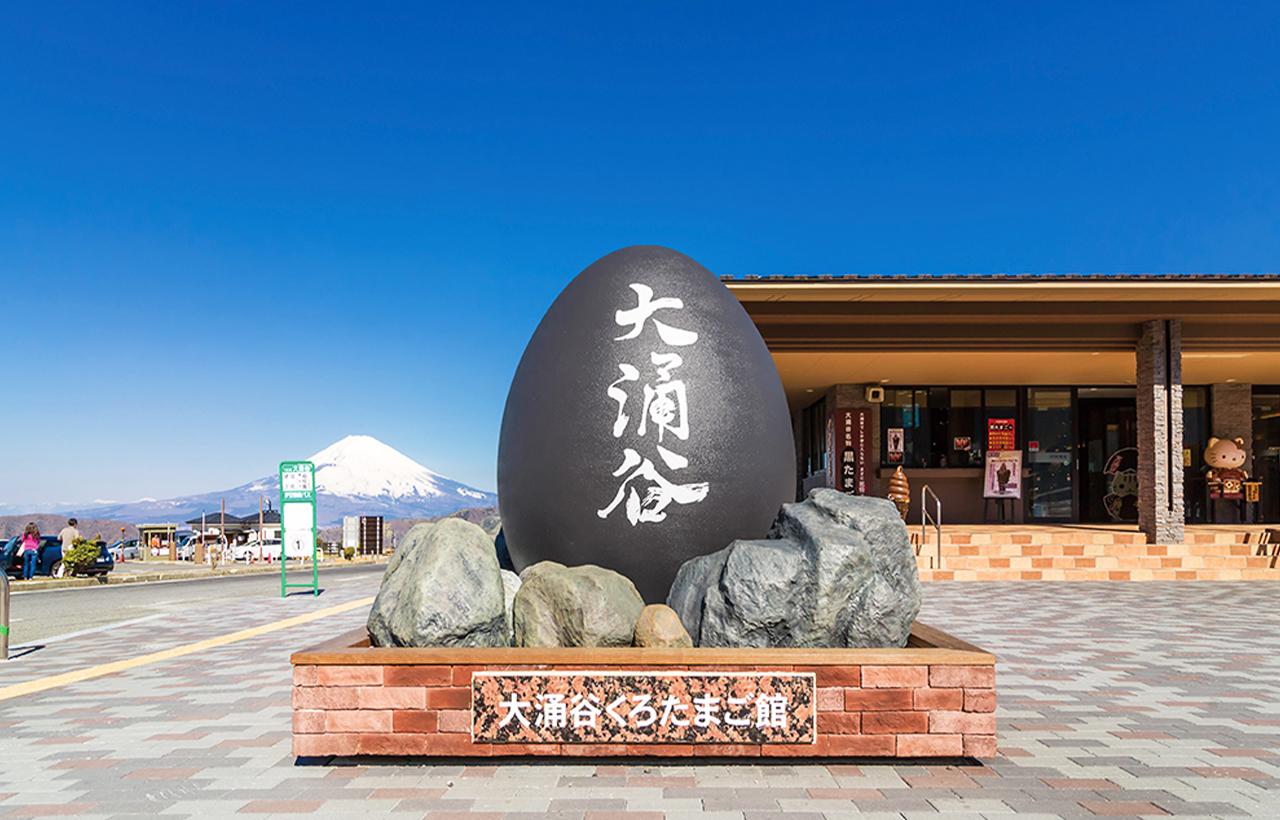
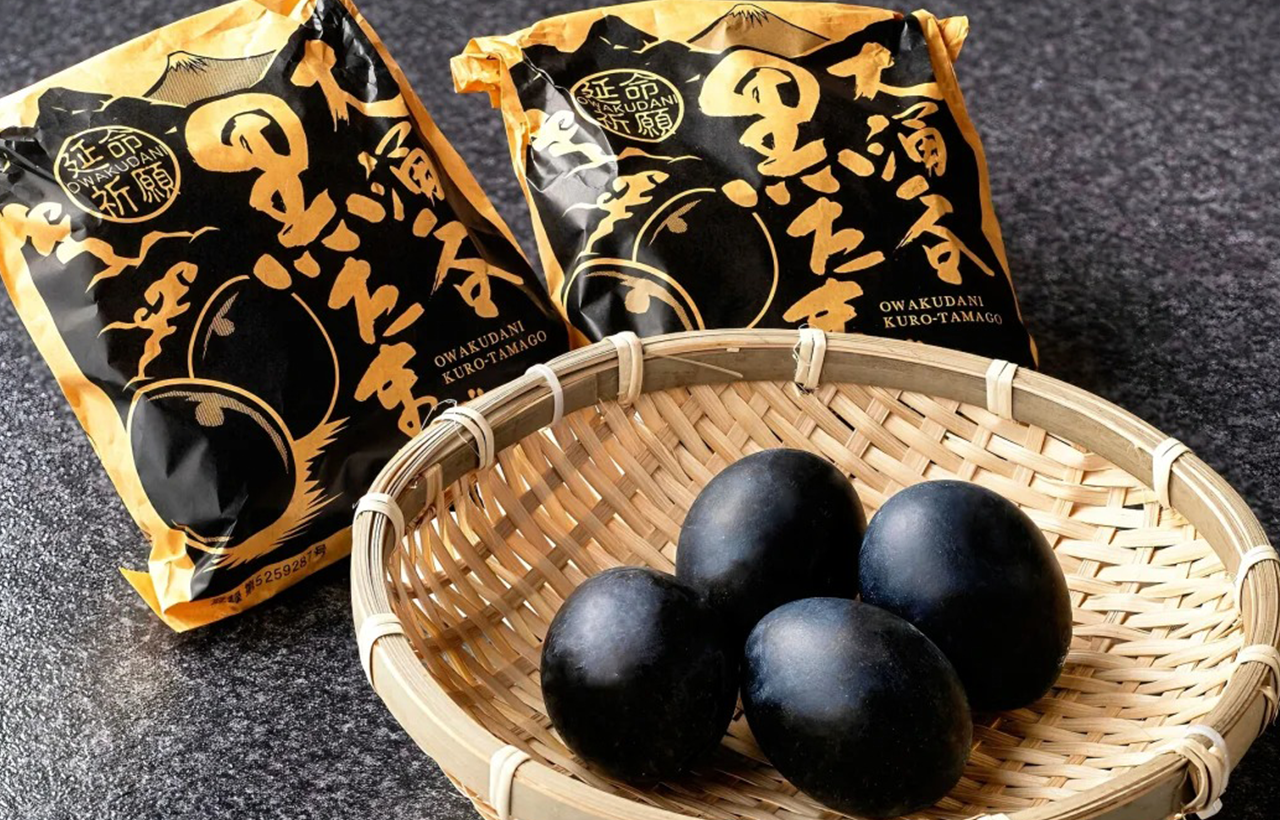
Owakudani’s signature souvenir is kuro-tamago — black eggs, boiled in the sulphur-rich hot-spring water until their shells turn black. Local lore says eating one adds seven years to your life, and the queues at the egg stalls suggest plenty of visitors are willing to test the theory.
“Hakone” is really a string of villages, each with its own character:
There are three broad ways to experience Hakone onsen:
Traditional onsen bathing follows a few firm rules that surprise first-timers:
From Tokyo, the classic route is the Odakyu line out of Shinjuku. The Hakone Free Pass bundles the round trip to Hakone plus unlimited use of the area’s network — the mountain railway, cable car, Hakone Ropeway and Lake Ashi sightseeing boats — which is what makes independent loop-touring easy and good value. The Romancecar is Odakyu’s reserved-seat limited express that runs straight through to Hakone-Yumoto in well under two hours, with panoramic front windows on some trains.
If you’d rather not navigate transfers, the guided day trips below handle the entire loop with hotel-area pickup, an English-speaking guide, and the ropeway and cruise built in.
A day trip is plenty to see Owakudani, ride the ropeway, cruise Lake Ashi and photograph the floating torii at Hakone Shrine — and it’s how most international visitors first experience the area. But the onsen is best after dark, when the day-trippers have gone and you can soak in a quiet rotenburo under the stars. If Hakone is mainly about the hot springs for you, build in one night; if it’s about the scenery and Mount Fuji, a well-run day tour delivers.
Ready to go? Check availability for the top-rated Hakone day trip, or read our Hakone onsen etiquette guide and Hakone day-trip itinerary before you book.
Guest Reviews
"Jack was great, and the tour was really impressive. Really beautiful."
"It was a great experience! We got to see Mt Fuji with some cool views and JACK was a great tour guide."
"Kousei was an amazing guide. He is very enthusiastic and has great energy. It made the trip very enjoyable."
"Jack was absolutly wonderful, was very helpfull all the time, he knows everything around to the Japonise culture and history, we enjoyed a lot our trip thank you so much !!!"
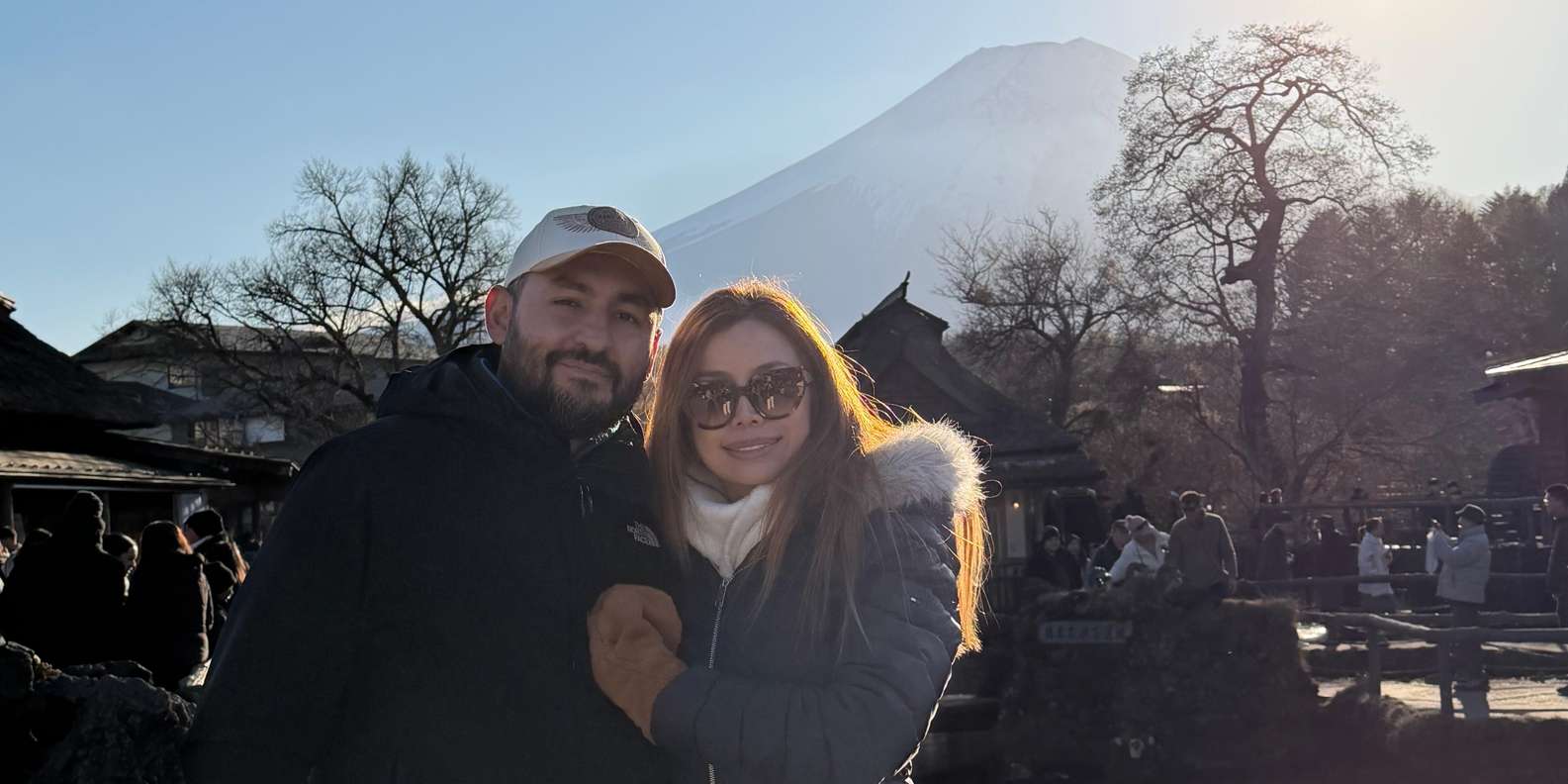
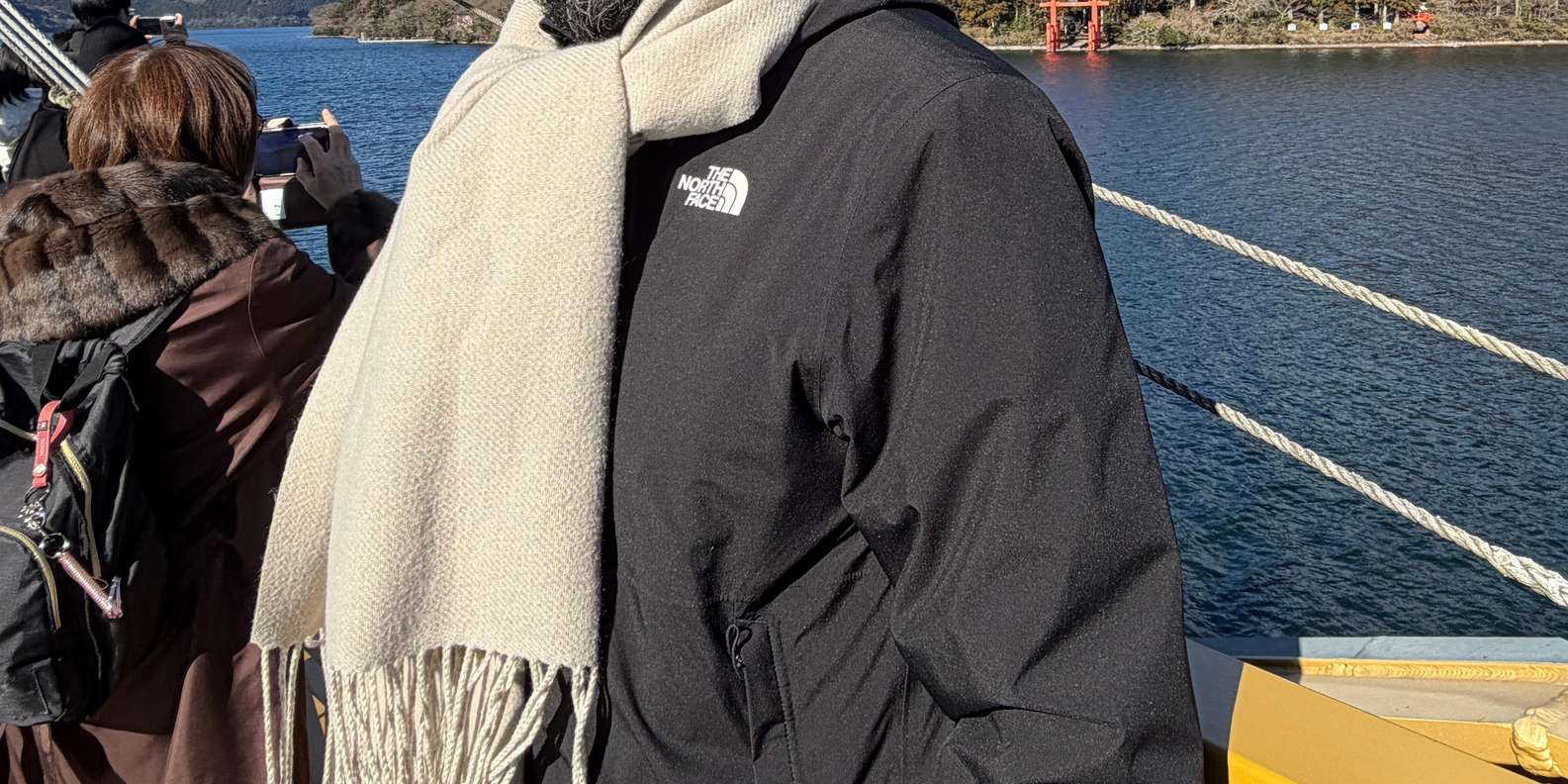
"Sato was an amazing guide who was funny and knowledgeable. The drive was lovely and smooth and we were lucky to have a clear day to see Mt Fuji clearly everywhere we went. Would highly recommend the tour!"
Read all 6839 verified reviews
See All ReviewsJoin 6,839+ travellers who rated this 4.7/5 — the Hakone Ropeway over Owakudani, a Lake Ashi cruise past the floating torii, and Mt Fuji views, with an English-speaking guide. Free cancellation. Starting from $60 per person.
Check Availability & BookCan't Make These Dates?
Find a tour that fits your schedule — all with instant confirmation and free cancellation.
Everything you need to know before you go — hot springs, Owakudani, the Hakone Free Pass, tattoos, and choosing the right day trip from Tokyo.
Yes — Hakone is one of the most rewarding day trips from Tokyo. In a single day you can ride the Hakone Ropeway over the steaming volcanic valley of Owakudani, cruise Lake Ashi past the floating torii of Hakone Shrine, and catch Mount Fuji on a clear day. The catch: a day trip is built around the scenery, not soaking. If the hot springs are your main reason for going, consider staying one night so you can use an onsen after the day-trippers leave. See our day-trip comparison to pick the right option.
There are three easy ways. The Odakyu Romancecar limited express runs from Shinjuku straight to Hakone-Yumoto in roughly 75–90 minutes with reserved panoramic seats. The Hakone Free Pass bundles the round trip from Shinjuku plus unlimited local transport. Or skip the logistics entirely with a guided day trip that includes pickup near major Tokyo stations, an English-speaking guide, and the ropeway and Lake Ashi cruise built in. Our Hakone Free Pass and transport guide compares costs, the Romancecar and the full loop route in detail.
The Hakone Free Pass is an Odakyu travel pass that covers a round trip from Tokyo plus unlimited rides on the area's network — the Hakone Tozan mountain railway, the cable car, the Hakone Ropeway, the Lake Ashi sightseeing cruise (pirate ships), and the regional buses. If you plan to do the full loop independently it's excellent value and saves buying separate tickets at every leg. If you'd rather not navigate transfers and connections, a guided tour covers the same highlights with no planning. See our Hakone Free Pass guide for current prices and whether the 2-day or 3-day pass is worth it.
You can. Many ryokan and bathhouses around Hakone-Yumoto and Gora offer higaeri onsen — day-use bathing without an overnight stay — so you can soak for an hour or two before heading back. The standard guided coach day trips focus on Owakudani, the ropeway and Lake Ashi rather than bathing, so if a real soak matters, choose a private tour that builds in an onsen stop, or add it yourself around the public-transport route. Our ryokan vs day-use onsen guide compares day-use baths, ryokan stays and Yunessun with named venues.
Many traditional onsen in Hakone still restrict guests with visible tattoos, due to the historical link between tattoos and organised crime in Japan. There are reliable workarounds: book a ryokan room with a private open-air bath (rotenburo), choose a venue that advertises itself as tattoo-friendly, or visit Yunessun, the hot-spring theme park where the outdoor pools are worn with a swimsuit. When in doubt, check the venue's tattoo policy before you go. Our Hakone onsen etiquette and tattoo guide covers tattoo-friendly and private kashikiri baths in detail.
Owakudani is the "Great Boiling Valley" — a steaming, sulphur-streaked basin created by the volcanic activity of Mount Hakone. The Hakone Ropeway crosses directly above it, giving you a window onto the hissing vents (and the egg smell). Its famous souvenir is kuro-tamago, black eggs boiled in the sulphur-rich spring water until the shells turn black; legend says eating one adds seven years to your life.
Our featured tour visits the highlights of the Hakone loop: the Hakone Ropeway for panoramic views, Owakudani volcanic valley, Lake Ashi with its pirate-ship cruise, the iconic red torii gate of Hakone Shrine on the lake, and Mount Fuji viewpoints such as Oshino Hakkai. It includes round-trip transport from designated Tokyo points, an English-speaking guide, and one-way ropeway fare. Lunch and the optional Lake Ashi cruise fare are not included — see the live availability for exact inclusions by date.
On a clear day, yes — Hakone offers some of the most famous Mount Fuji views in Japan, especially from Lake Ashi (where Fuji rises behind the floating torii) and from the Hakone Ropeway. Fuji is shy, though: it's often wrapped in cloud, particularly in summer. The clearest skies tend to come in the colder, drier months from late autumn through winter. No tour can guarantee the mountain appears, so treat a Fuji sighting as a bonus, not a certainty.
Both are classic Fuji day trips, but they offer different experiences. Kawaguchiko (one of the Fuji Five Lakes) sits right at the foot of the mountain, so it delivers the biggest, closest Fuji views and the postcard Chureito Pagoda shot. Hakone is more about the onsen culture, the volcanic Owakudani valley and the Lake Ashi cruise, with Fuji as a backdrop rather than the centrepiece. Choose Kawaguchiko for the mountain itself; choose Hakone for hot springs and variety. Many travellers do both on separate days.
A group day trip is the most affordable way to do the classic loop — a shared coach, a fixed route, and designated Tokyo pickup points, from around $49–$80 per person. A private tour costs more (typically $300+ for the whole group) but adds hotel pickup, a fully customizable itinerary, and the flexibility to build in an onsen soak or the Hakone Open-Air Museum. See the comparison table for a side-by-side.
Hakone is a year-round destination, but each season has a character. Autumn (roughly mid-November) brings spectacular red and gold foliage along the ropeway and around Lake Ashi. Winter offers the crispest, clearest Mount Fuji views and steaming open-air baths in the cold. Spring adds blossom and fresh greenery. Summer is lush but the most cloud-prone for Fuji and the busiest. Weekdays and early starts always mean shorter queues at the ropeway and egg stalls. See our season-by-season guide to the best time to visit Hakone for a month-by-month breakdown.
A few basics go a long way. You wash and rinse thoroughly at the seated shower stations before entering the communal bath — the bath is for soaking, not cleaning. Traditional baths are bathed nude (no swimwear); you carry only a small towel, kept out of the water. Baths are usually gender-separated. If you'd rather wear a swimsuit or have tattoos, a resort like Yunessun or a private rotenburo is the easy alternative. Read the step-by-step Hakone onsen etiquette and tattoo guide for the full bathing ritual.
Still have questions? Email us at info@hakone-onsen.com